

Seller resources · By Amoni Capital
Published
Selling a House With Foundation Problems in Dallas: Repair or Sell As-Is?
Finding out that a house may have foundation problems can make selling feel more complicated than it needs to be. You may be wondering whether you have to repair the foundation first, whether buyers will still consider the property, or whether selling as-is would leave too much money on the table.
The useful question is not simply “Can I sell it?” It is which selling path produces the best combination of net proceeds, time, effort and risk for your situation.
For a Dallas-area homeowner, there are usually three paths worth comparing: repair before listing, list the property in its current condition, or sell directly to a buyer willing to purchase as-is. None is automatically best.
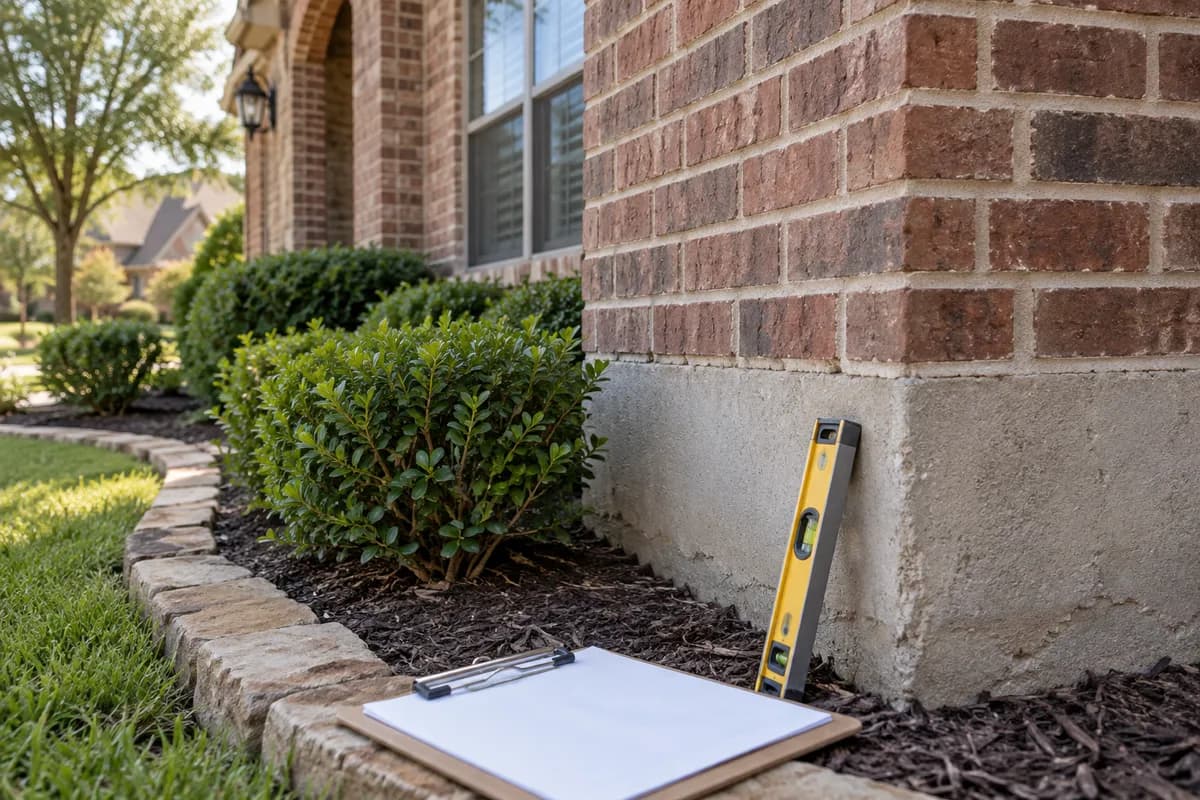
Foundation concerns are especially relevant in North Texas
Parts of Dallas–Fort Worth contain clay-rich soils that change volume as moisture changes. City of Dallas foundation materials describe highly plastic clay soils in the DFW area as capable of shrinking when dry and swelling when wet. The City of Fort Worth also identifies a local clay-rich soil type with shrink-swell behavior.
That does not mean every crack or sticking door proves a foundation is failing. Interior cracks, exterior brick movement, uneven floors, doors that stop closing correctly and other symptoms can have different causes. If you need a technical diagnosis, use an appropriately qualified professional rather than treating a visual symptom as a final conclusion.
If you already have an engineer's report, repair estimate, warranty, plumbing report or prior foundation-repair documentation, keep it together. Those records can help you compare your options and answer buyer questions more clearly.
Can you sell a house with foundation problems in Texas?
Yes, a home can be sold with known foundation concerns. The more important legal question is what must be disclosed in your specific transaction.
The current Texas Real Estate Commission Seller's Disclosure Notice and Form 55-1 ask sellers about known defects or malfunctions involving Foundation/Slab(s). The form also asks about conditions including settling, soil movement and previous structural or roof repair.
Texas Property Code § 5.008 establishes the seller-disclosure framework, and the statute contains exceptions and transaction-specific rules. An “as-is” sale does not automatically erase applicable disclosure duties.
This page is educational, not legal advice. If you are unsure whether a disclosure is required, what an existing report means, or how a contract handles a known structural issue, speak with a qualified Texas real-estate attorney or other appropriate professional.
Your three main selling paths
| Path | What you do before selling | Potential advantage | Main tradeoff to evaluate |
|---|---|---|---|
| Repair, then list | Diagnose the issue, complete agreed repairs, then prepare and market the home | May make the property easier for some retail buyers to evaluate | You fund the work upfront and take on repair, timing and cost-overrun risk |
| List as-is | Disclose known issues as required and market the home without completing the repair first | Keeps broad market exposure without requiring you to finish the project first | Buyers may ask for price changes, credits, engineering documentation or repairs after inspection |
| Sell directly as-is | Share the property condition and compare a written direct-purchase offer | Can reduce preparation, showings and repair coordination | The offer may be lower because the buyer is taking on condition, repair and resale risk |
On a small screen, scroll the table sideways to compare every column.
The right comparison is not repair cost versus offer price. Compare the likely cash outcome and obligations under each path.
Should you repair the foundation before listing?
A repair can make sense when you have a clear diagnosis, a reliable scope of work, enough cash to fund it, and strong reason to believe the repair improves the marketability or expected proceeds of the home by more than the full cost and risk of doing the work.
Before approving a major project, write down four numbers:
- 1. The repair scope and quote. Use written, property-specific estimates rather than a generic online range.
- 2. The additional work connected to the repair. Foundation work can sometimes be followed by cosmetic, flooring, plumbing, drainage or other work depending on the property. Only include items that actually apply to your house.
- 3. The extra ownership cost while the work and sale are happening. Mortgage interest, taxes, insurance, utilities, association dues and basic maintenance may continue while you own the property.
- 4. The realistic difference in expected net proceeds. Compare what you may keep after the repair-and-list path with what you may keep under an as-is alternative.
Estimated repaired-sale proceeds – repair/related work – additional carrying costs – transaction-specific selling costs = adjusted repair-first outcome
Then compare that result with the written terms and estimated proceeds of the as-is paths.
Amoni's Home Sale Calculator can help you organize your own assumptions without treating a possible list price as guaranteed proceeds.
What if you list the house as-is?
Listing as-is can preserve market exposure while avoiding an upfront repair project. But “as-is” does not mean buyers must ignore the condition or that the contract cannot include inspection or termination rights.
A buyer may still inspect the property, ask questions, request engineering documents, negotiate price or credits, or decide not to move forward. A foundation concern can also create additional questions during appraisal or financing, depending on the property, the buyer's loan and the parties involved.
Before listing, ask your agent to help you understand how the known condition should be presented, what comparable properties actually support, and how different contract terms could affect the probability of closing.
For the broader tradeoffs, see Amoni's guide to selling a home as-is.
When a direct as-is sale may be worth comparing
A direct sale can be useful to compare when you do not want to fund a structural repair before selling, when the house needs several major repairs at the same time, or when timing and simplicity matter more than preparing the property for the broadest possible buyer pool.
A direct buyer will usually account for the condition, expected work and risk in the offer. That does not make every cash offer a good offer. Review the complete written terms, including inspection rights, closing costs, deductions, assignment language, earnest money and the conditions that allow either party to terminate.
If you are comparing a direct offer with listing, use the same framework for both: net proceeds + terms + time + effort + risk. Amoni's cash offer vs. listing guide explains that comparison in more detail.
What should you gather before deciding?
You do not need to create paperwork that does not exist, but if you already have relevant records, organize them before comparing paths:
- Previous foundation inspection or engineering reports
- Repair proposals, invoices and transferable warranties
- Plumbing or drainage reports related to the issue
- Prior structural-repair documentation
- Photos showing the condition over time
- Insurance correspondence if relevant
- Current mortgage and lien information for net-proceeds planning
The goal is not to overwhelm a buyer with documents. It is to understand what you know, what you do not know, and what each selling path requires from you.
A simple way to compare the three options
| Question | Repair + list | List as-is | Direct as-is sale |
|---|---|---|---|
| Who funds the foundation work before closing? | Usually the seller | Depends on negotiation | Usually buyer after closing if the contract is truly as-is |
| How much preparation is required? | Highest | Medium | Often lowest |
| Broad market exposure? | Yes | Yes | No; you are comparing a specific direct buyer |
| Buyer financing involved? | Often | Often | Not when the buyer uses its own cash |
| Risk of repair overruns before sale? | Yes | Usually no pre-sale repair if you stay as-is | Usually no pre-sale repair if the contract is as-is |
| Best number to compare | Estimated net proceeds | Estimated net proceeds | Written offer net of seller obligations/costs |
On a small screen, scroll the table sideways to compare every column.
Then add your non-financial priorities: your move date, how much disruption you can tolerate, whether the house is occupied, and whether you have the cash and time to manage a major project.
Dallas homeowners should avoid two common mistakes
Mistake 1: Fixing first without comparing the full net
A repair may be worthwhile, but a dollar spent on the house does not automatically create a dollar of additional proceeds. Compare the likely incremental benefit with the complete cost, time and risk of the project.
Mistake 2: Assuming “as-is” means “no questions asked”
Condition can still affect price, inspection, financing and disclosure. Review the actual contract and applicable disclosure requirements instead of relying on the label alone.
For a broader repair decision, read Selling a House That Needs Major Repairs. If you want to compare the financial effect of avoiding repairs, use How Much Do You Lose Selling a House As-Is in Texas?
Before you spend money on the foundation, compare your options
You do not need to decide from a contractor quote, a possible list price or a cash offer in isolation.
Amoni's DFW Home Sale Options Review is designed to compare three paths using your property and priorities: selling directly as-is, listing as-is, and repairing before listing. It is a planning review, not an obligation to sell.
Get My Free Options ReviewFrequently asked questions
Do I have to repair foundation problems before selling a house in Texas?
Not necessarily. The key issues are the property's condition, your contract, the buyer's requirements and applicable disclosure rules. Texas' current Seller's Disclosure Notice specifically addresses known foundation/slab defects, settling or soil movement and previous structural repair. Get transaction-specific legal advice if you are uncertain about your duties.
Does selling as-is mean I do not have to disclose a known foundation issue?
No. “As-is” describes condition and contract terms; it does not automatically eliminate disclosure obligations that otherwise apply. The current TREC Seller's Disclosure Notice includes foundation/slab defects and soil movement among the conditions it asks sellers about.
Should I get a foundation inspection before selling?
It depends on what you already know and what decision you are trying to make. If you need an independent technical opinion to understand the condition or compare repair options, consider an appropriately qualified professional. If you already have reports or repair documentation, organize those first rather than paying for duplicate work without a clear reason.
Will buyers finance a house with foundation problems?
Sometimes, but the answer depends on the severity of the condition, appraisal findings, lender requirements and the buyer's loan. A foundation concern may lead to additional inspections, documentation or repair requirements. Avoid assuming every financed buyer will be approved or rejected.
Is a cash sale always better for a house with foundation problems?
No. A direct cash sale may reduce repairs, showings and financing uncertainty, but the buyer will account for the property's condition and risk. Compare the written offer with realistic repair-and-list and list-as-is scenarios before deciding.
How do I know whether repairing first is worth it?
Compare the expected increase in net proceeds with the full repair scope, related work, carrying costs, timeline and uncertainty. Use property-specific quotes and realistic selling assumptions rather than generic averages.