


Your property
01
Start with your property.
Enter your address and select your property from the results.
Get a cash offer without repairs, showings, or the hassle of a traditional sale.
No obligation to accept an offer.
Enter your address and select your property from the results.
Share the details that best describe your home and timeline. Amoni reviews the property and discusses the available paths with you.
Review any available offer and your other selling options. If you choose to move forward, the written agreement sets the next steps and closing terms.
Estimated cash offer
$0
Organize your own estimates of selling expenses and mortgage payoff. This tool does not value your home.
Compare estimated proceeds →Sell as-is, list with an agent, or repair first.
Compare Options →Review how a direct sale to Amoni differs from a conventional listed sale.
A checkmark means the characteristic generally applies to that path; an empty cell means it is not inherent to that path, not that it is impossible. Actual terms depend on the property, transaction, and written agreement. Conventional listing strategies vary. *No agent compensation is required when selling directly to Amoni without an agent; sellers may use an agent if they choose, and other costs may apply.
Tenant screening
Map criteria, authorization, report handling, fair-housing boundaries, notices and records before delegating the work.
Review the Dallas tenant-screening process →Buyer due diligence
Use disclosures, inspection findings and property-specific bids to identify what still needs verification before your contract deadline.
Read the Dallas buyer guide →Fixer-upper planning
Use inspections, written bids, permit history, financing review and a reserve to compare the full project—not only the asking price.
Read the fixer-upper guide →Flood-risk due diligence
Check the exact address on official maps, review flood history, obtain a buyer-specific insurance quote and verify renovation requirements.
Use the Dallas flood-risk checklist →Buyer closing funds
Separate earnest money, prepaids, credits, outside costs and final Cash to Close using your own contract and loan documents.
Plan Dallas cash to close →Option-period planning
Organize the general inspection, property-specific follow-up, written proposal and buyer decision around the negotiated period in your signed contract.
Plan the Dallas option period →Title review
Separate transaction identity, proposed policy exceptions, closing requirements and property-use questions.
Review a Texas title commitment →Property survey
Compare identity, visible improvements, easements, building lines and acceptance status before closing.
Review a Dallas property survey →Home insurance
Compare property facts, coverage basis, deductibles and lender evidence before selecting a policy.
Compare Dallas home-insurance quotes →New-build inspection
Match the construction stage, inspector scope, builder response and reinspection record to the signed contract.
Plan a Dallas new-build inspection →HOA rental due diligence
Review current governing documents, rental constraints, property-specific status and costs before underwriting rent.
Review Dallas HOA rental restrictions →1031 exchange planning
Keep adviser-confirmed IRS timing separate from property quality, financing, insurance, taxes and association constraints.
Plan a Dallas replacement-property search →Rental exit records
Reconcile basis, improvements, depreciation and sale facts before asking a tax professional to model a disposition.
Build the Dallas rental tax file →Investor due diligence
Verify the governing City program, registration and inspection records, and any tenant or security-deposit handoff before closing.
Read the Dallas rental acquisition guide →Rental property comparison
Compare each unit's rent, vacancy exposure, utilities, City requirements, financing and property-specific expenses.
Compare Dallas rental property types →Rental analysis
Use property-specific rent, vacancy, operating expenses, debt service and cash invested instead of an invented Dallas average.
Analyze a Dallas rental →Rental insurance underwriting
Use property-specific quotes and compare roof settlement, wind and hail deductibles, flood exclusions and rent-loss triggers before relying on the premium.
Review Dallas rental insurance →Rental tax underwriting
Check exemptions, appraised value, taxing units and a separate stress scenario before relying on the current bill.
Review Dallas rental taxes →Property management
Compare authority, scope, the complete fee stack, money controls and exit handoff.
Review a Dallas property manager →Dallas–Fort Worth includes a wide range of neighborhoods, property types, and local market conditions. A selling plan that fits a newer suburban home may not fit an older property near an urban center. Before choosing a path, consider the home’s condition, your desired moving schedule, how much preparation you can manage, and whether you are comfortable with showings.
Homeowners generally can pursue a traditional listing, an as-is listing, or a direct sale. A traditional listing is designed to expose the property to a broad group of buyers. An as-is listing may reduce advance repair work, while a direct cash sale can reduce marketing and buyer-financing steps. Each choice has different tradeoffs.
A practical first step is deciding which parts of the process you are willing and able to complete. Preparing for a public listing can include repairs, cleaning, staging, photography, pricing, and scheduled showings. Pricing and property condition can influence buyer interest, but no approach can promise a particular timeline.
If convenience is a priority, a direct offer may be worth comparing with a listing strategy. Gather accurate property details and identify known repair needs before requesting an evaluation. You can get a cash offer from Amoni without committing to accept it.
An as-is sale generally offers the property in its current condition without a promise to complete repairs beforehand. Sellers should still provide required information about known property conditions, and a buyer may evaluate the home before proceeding. Contract terms determine the parties’ specific rights and responsibilities.
A homeowner may list a property as-is on the open market or explore a direct buyer. A public listing may reach more buyers but can still involve showings, negotiations, and inspections. A direct sale may be useful for a dated, inherited, vacant, tenant-occupied, or repair-heavy home, although the property’s condition will be reflected in the offer.
A traditional listing may suit a homeowner who wants broad market exposure and can accommodate preparation and showings. The eventual proceeds may be affected by repairs, concessions, agent compensation, closing expenses, and the time needed to maintain the home before closing.
A cash offer can provide a more direct process without depending on a buyer’s loan approval. That convenience does not mean a direct sale is always financially better. Compare the price, costs, contingencies, responsibilities, and timing in each option. The Home Sale Calculator can help organize an estimate of potential proceeds.
Potential costs depend on the property and sale method. They can include repairs, cleaning, staging, moving, storage, utilities, insurance, mortgage payments, property-related charges, agent compensation, buyer concessions, and closing expenses. Some may be negotiable, while others depend on the contract or closing process.
Ask for a clear estimate of proceeds and compare it with your mortgage payoff and other obligations. If the move may include another home purchase, the Mortgage Calculator provides an educational payment estimate based on the loan inputs you select.
There is no standard timeline. Preparation, asking price, local demand, property condition, negotiations, inspections, title work, financing, and the agreed closing date can all affect the schedule. A traditional listing may spend time on the market before a buyer and seller reach an agreement.
A direct sale can sometimes eliminate listing preparation and buyer-financing steps, but timing remains transaction-specific. Discuss important dates before signing any agreement, especially when coordinating tenants, an inherited property, a move, or another purchase. Amoni’s market and seller resources offer additional planning information.
At closing, transaction documents are completed, funds are handled, and ownership transfers according to the contract. A title company or other closing professional typically coordinates documents, confirms title requirements, prepares settlement figures, and handles applicable mortgage payoffs and distributions.
Review the final figures before signing and ask the closing professional about anything you do not understand. Confirm what identification and documents to bring, as well as how keys, possession, and anything remaining at the property will be handled. Exact requirements vary, so rely on the professionals involved for transaction-specific guidance.
Explore every Amoni market page across Dallas–Fort Worth. New cities appear here as they are published.
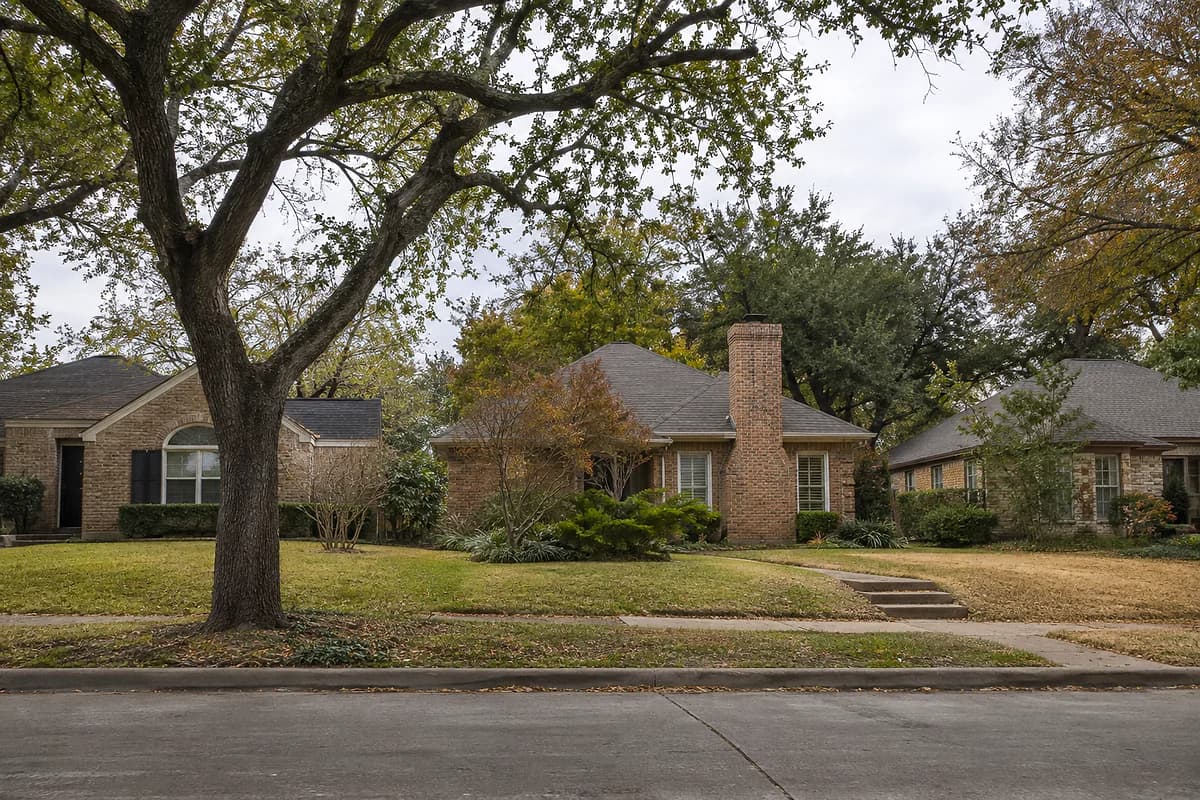
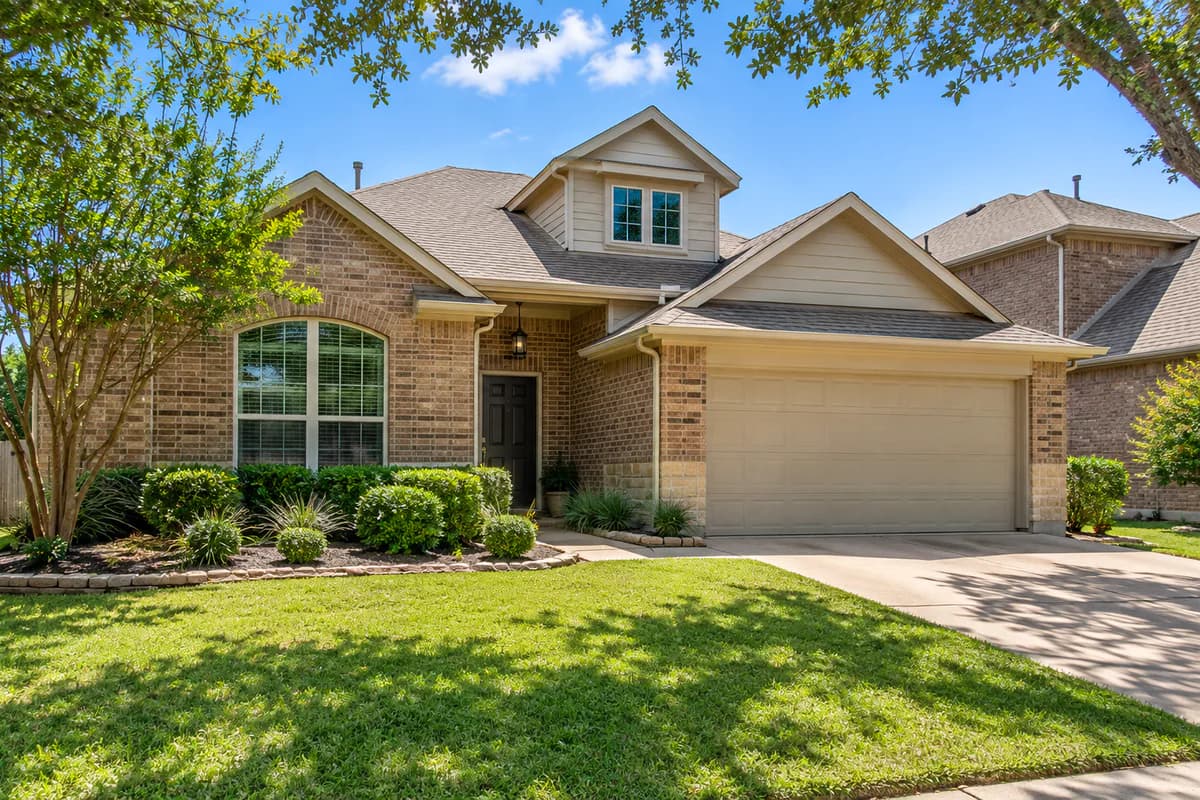
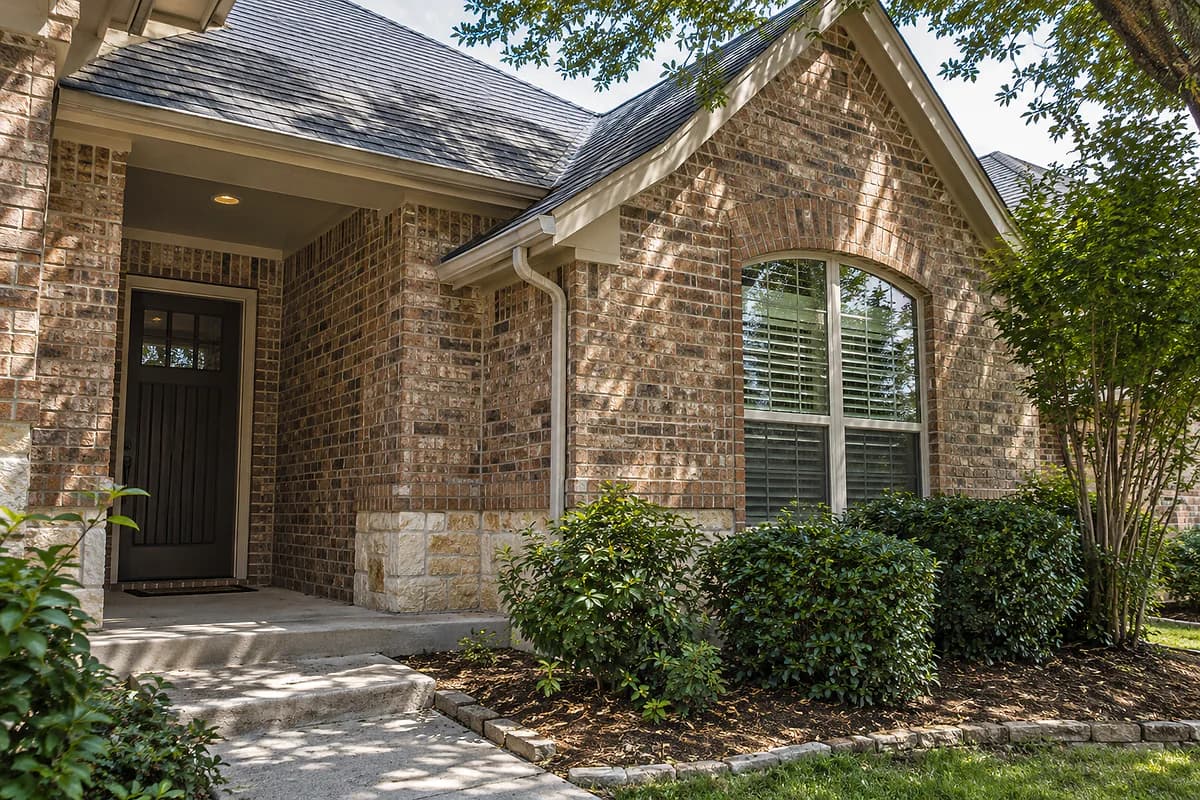



Compare selling paths for an Arlington home, including floodplain and repair-planning considerations.
Explore Arlington →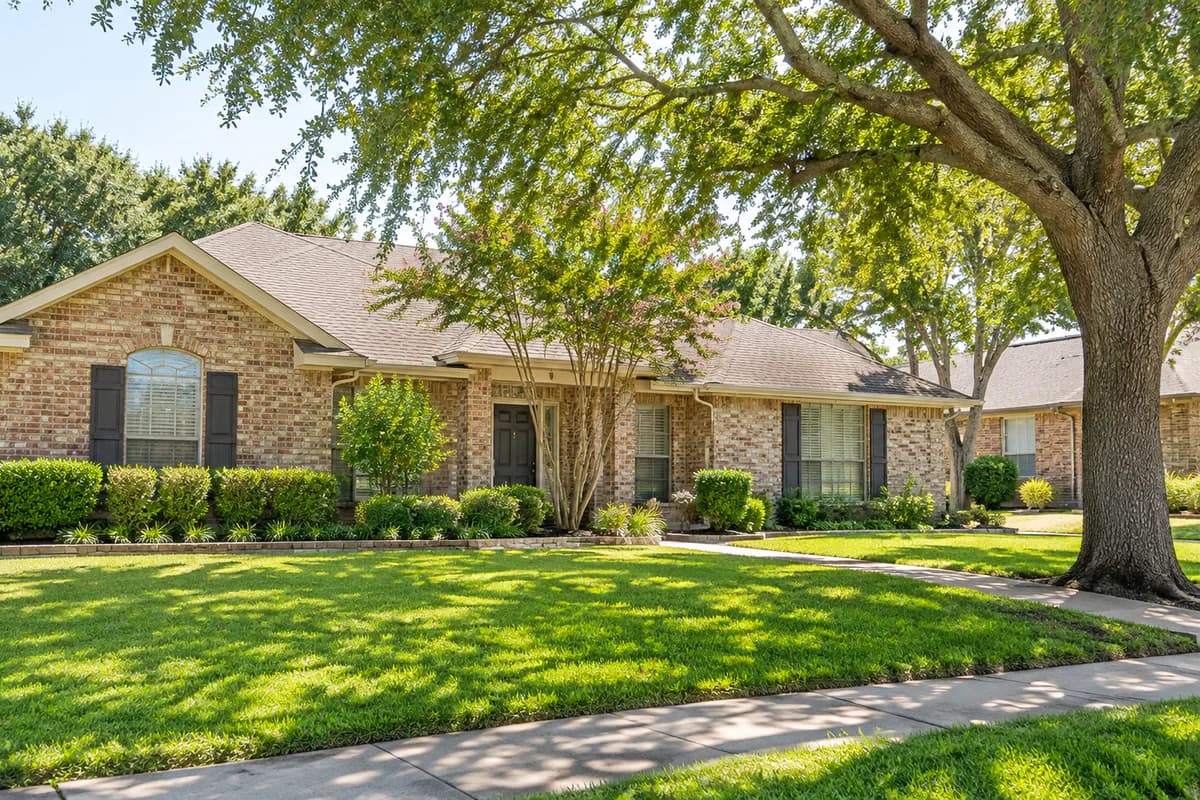
Review selling options for a Garland home, including floodplain and elevation-record research.
Explore Garland →
Compare selling options for a Carrollton home, including foundation-repair and floodplain-record planning.
Explore Carrollton →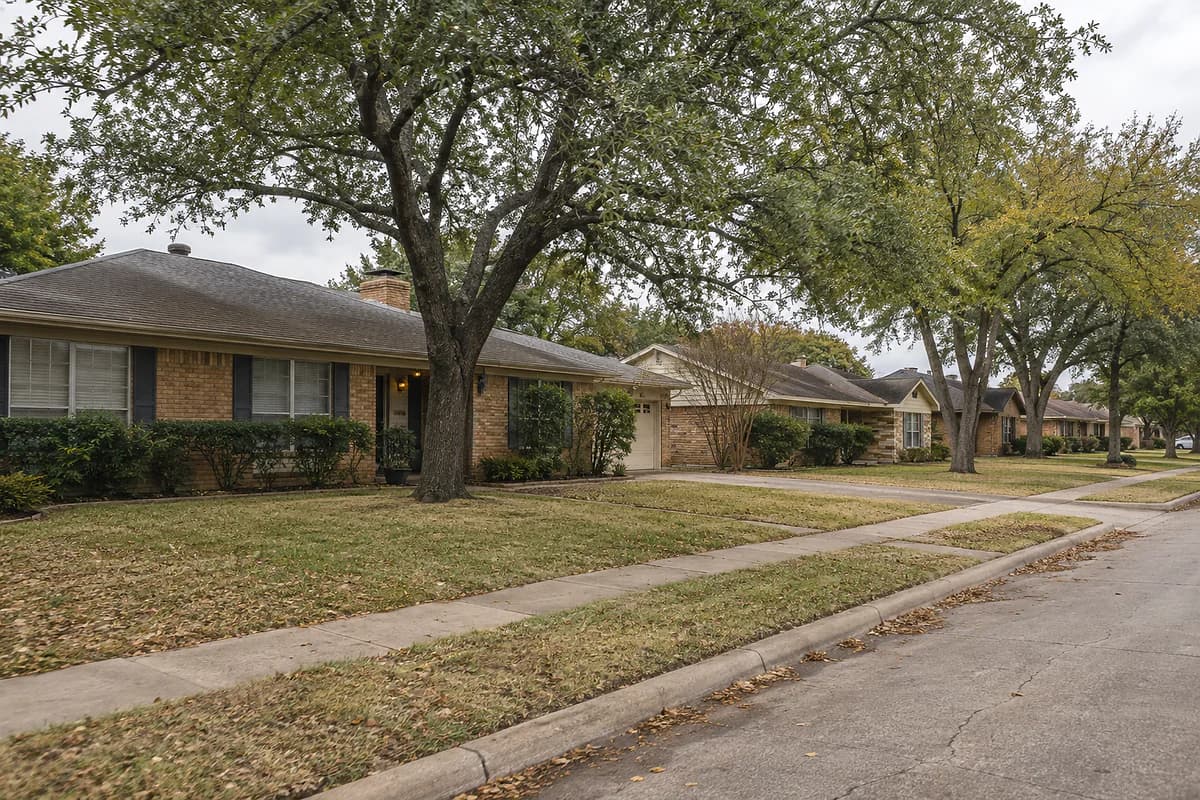
Review selling options for an Irving home, including permit, zoning, and project-record planning.
Explore Irving →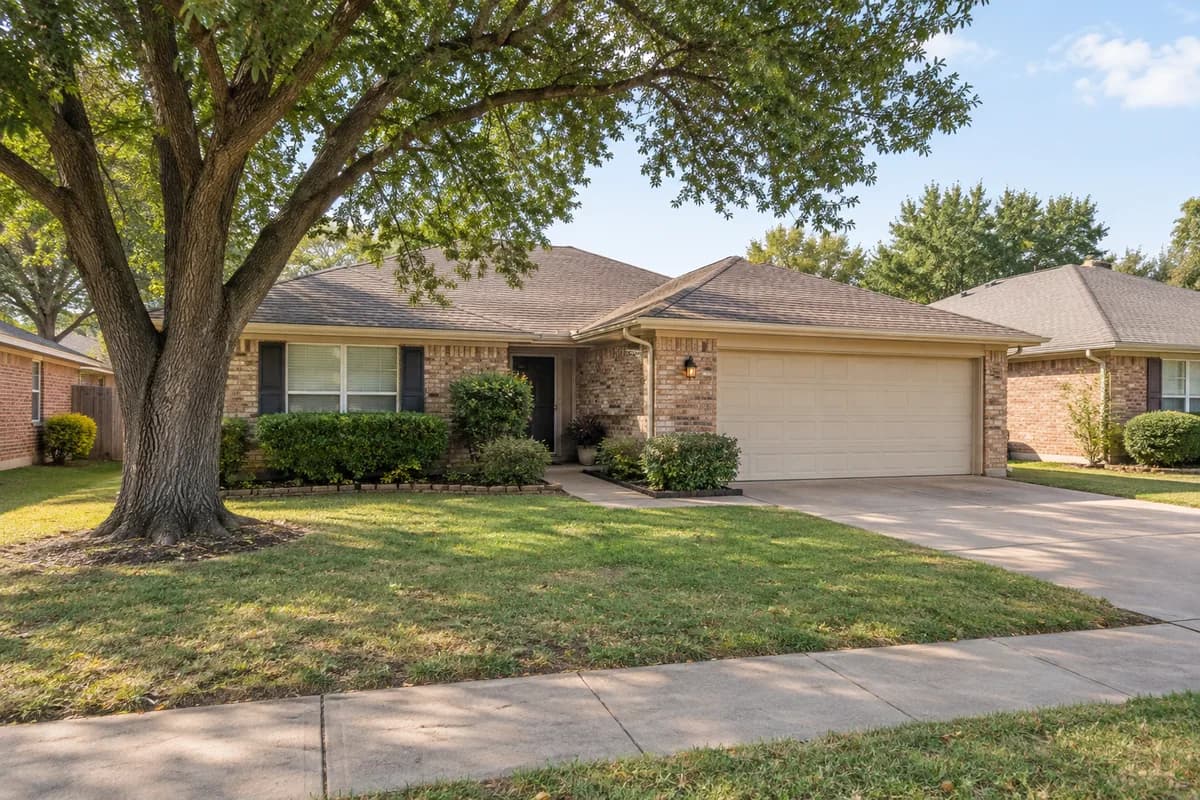
Compare selling options for a Mesquite home, including permit, inspection, and project-record planning.
Explore Mesquite →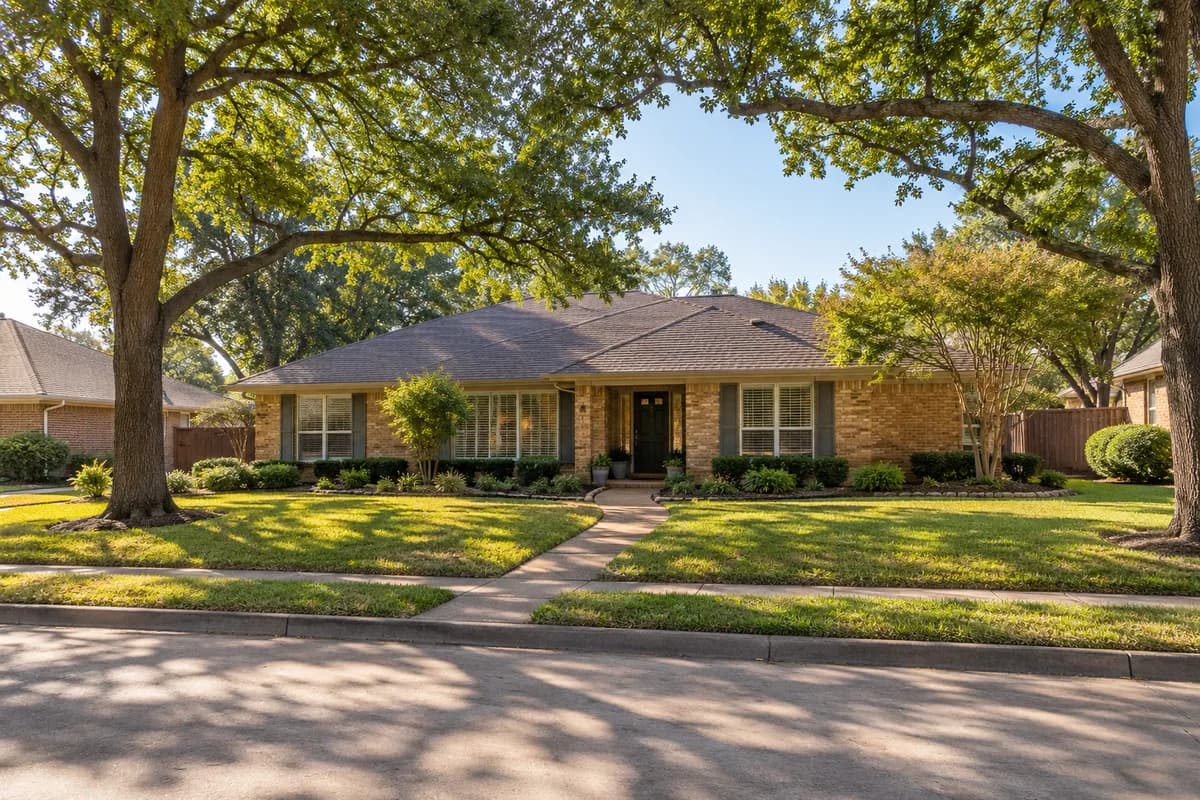
Compare selling options for a Richardson home, including foundation-repair permits and inspection records.
Explore Richardson →
Review selling options for a Denton home, including final-inspection, foundation, and floodplain records.
Explore Denton →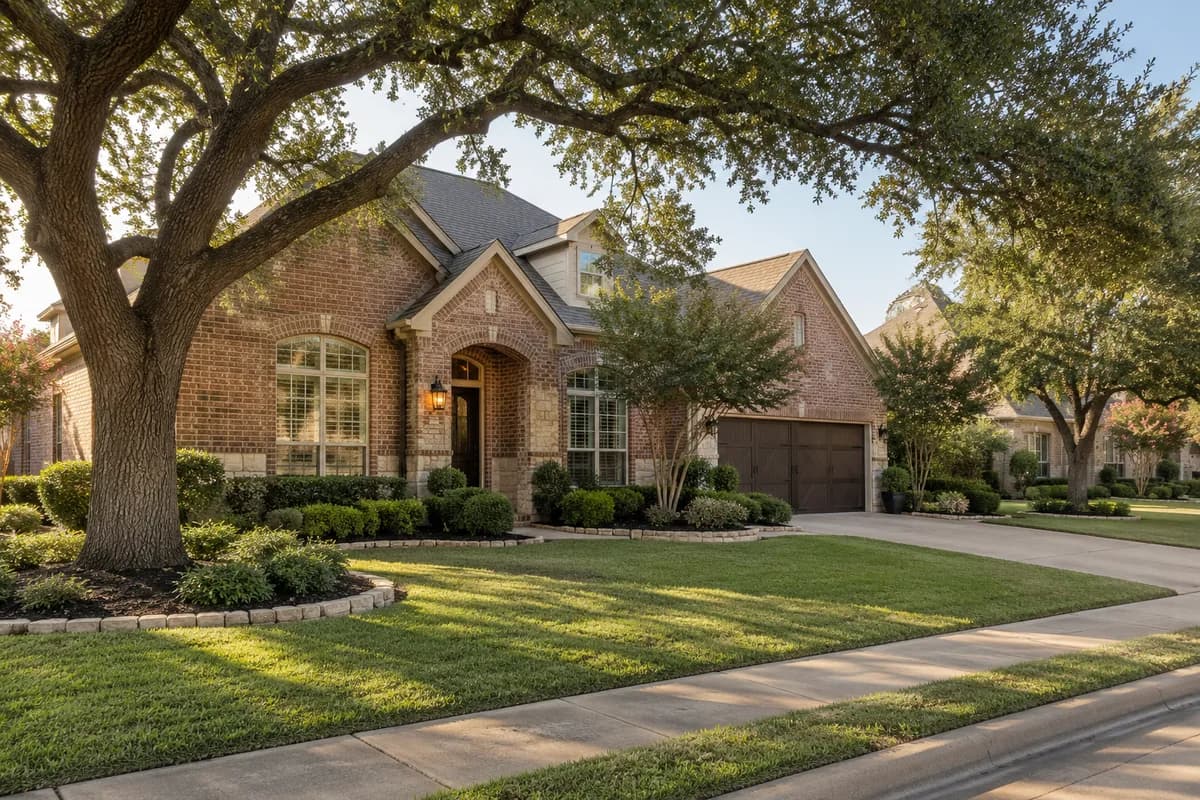
Review selling options for an Allen home, including permit, inspection, and parcel-record planning.
Explore Allen →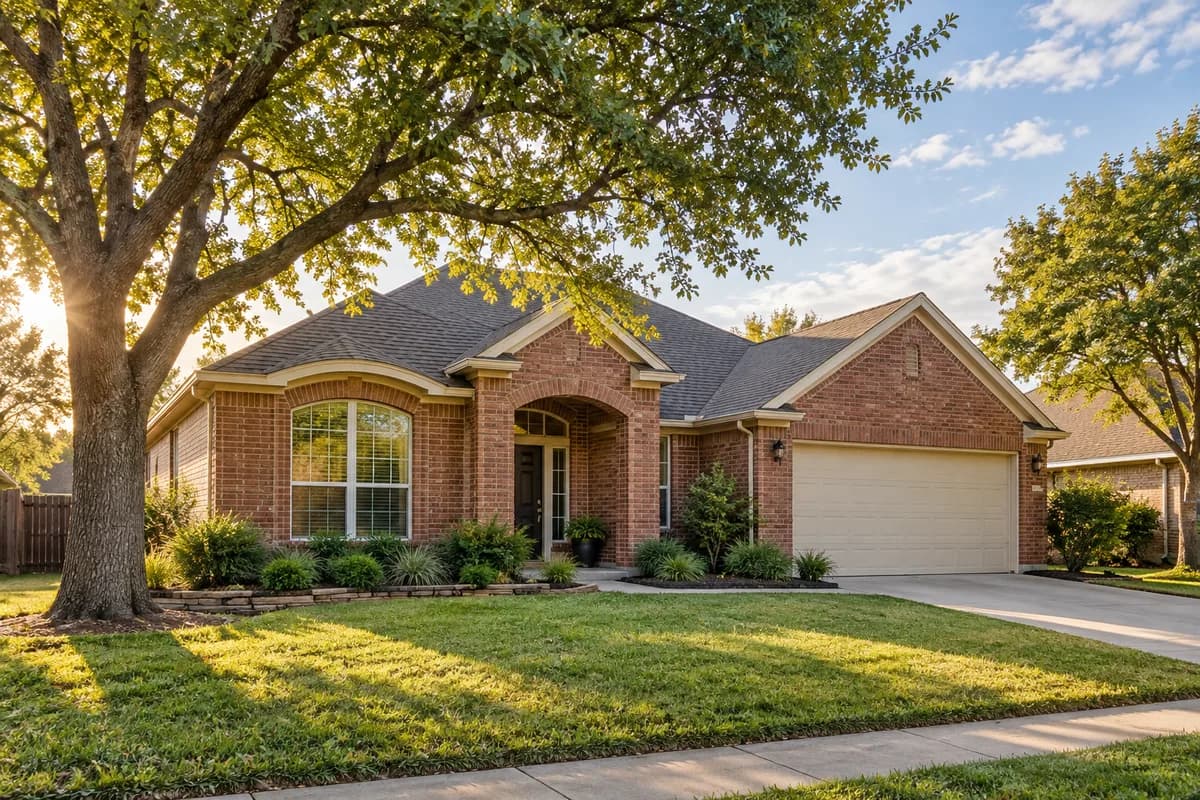
Review selling options for a Grand Prairie home, including foundation-repair and floodplain permit planning.
Explore Grand Prairie →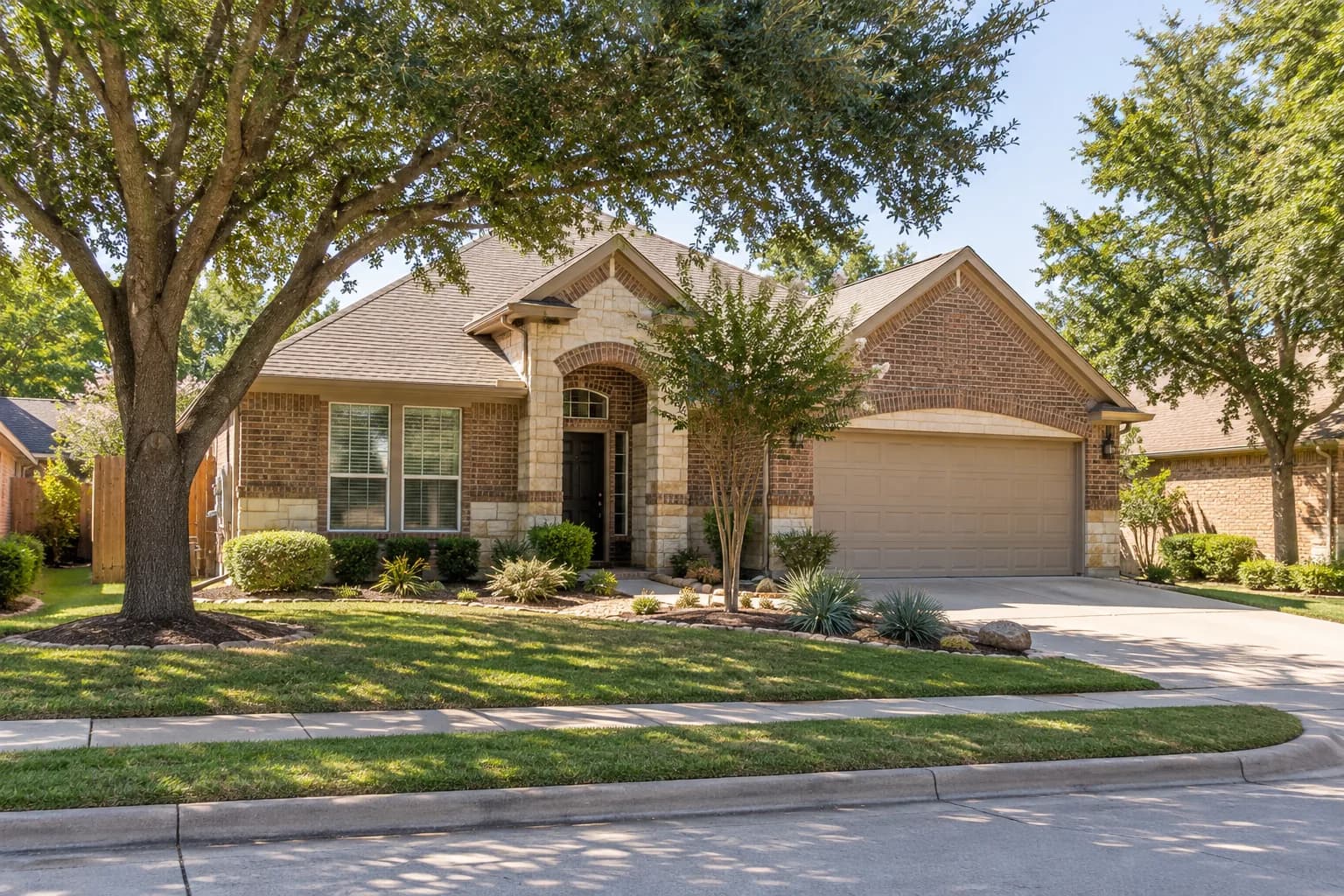
Review selling options for a Lewisville home, including foundation-repair, permit, and floodplain planning.
Explore Lewisville →
Review selling options for a Flower Mound home, including foundation-repair permits, engineering records, and final-inspection planning.
Explore Flower Mound →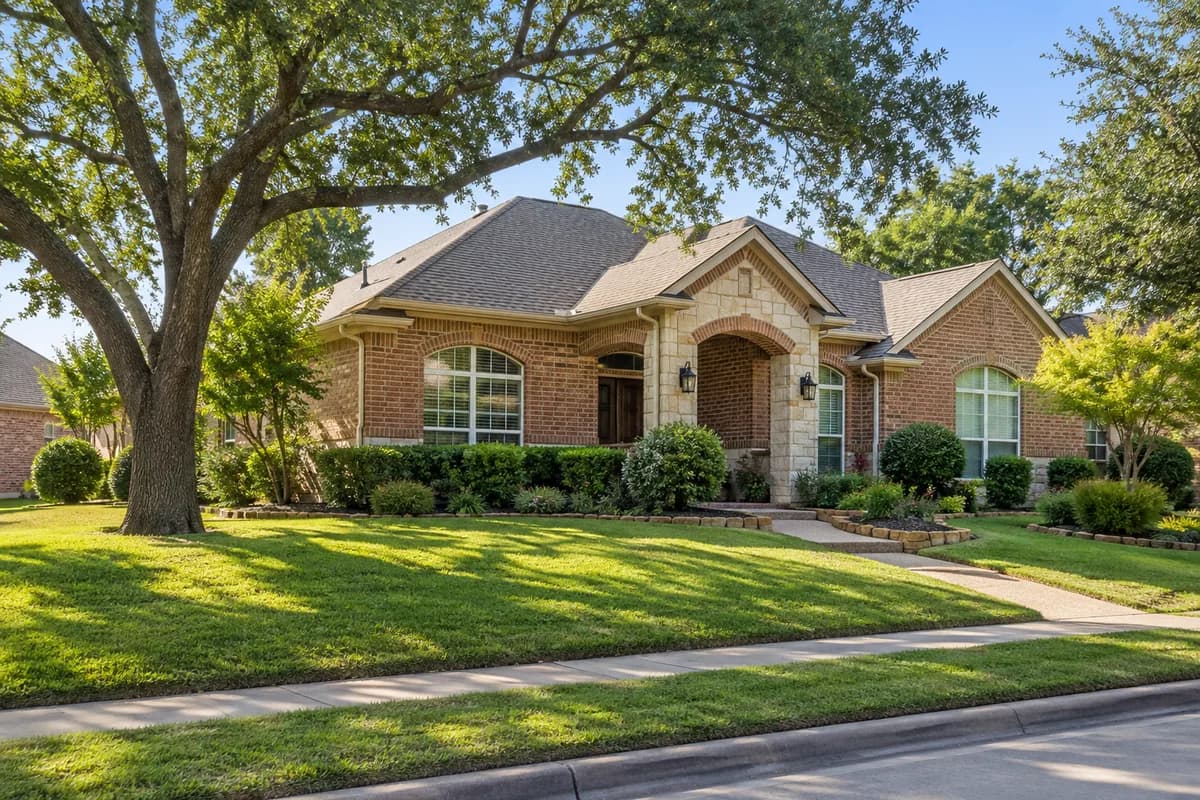
Review selling options for a Mansfield home, including repair permits, project records, and property-specific floodplain planning.
Explore Mansfield →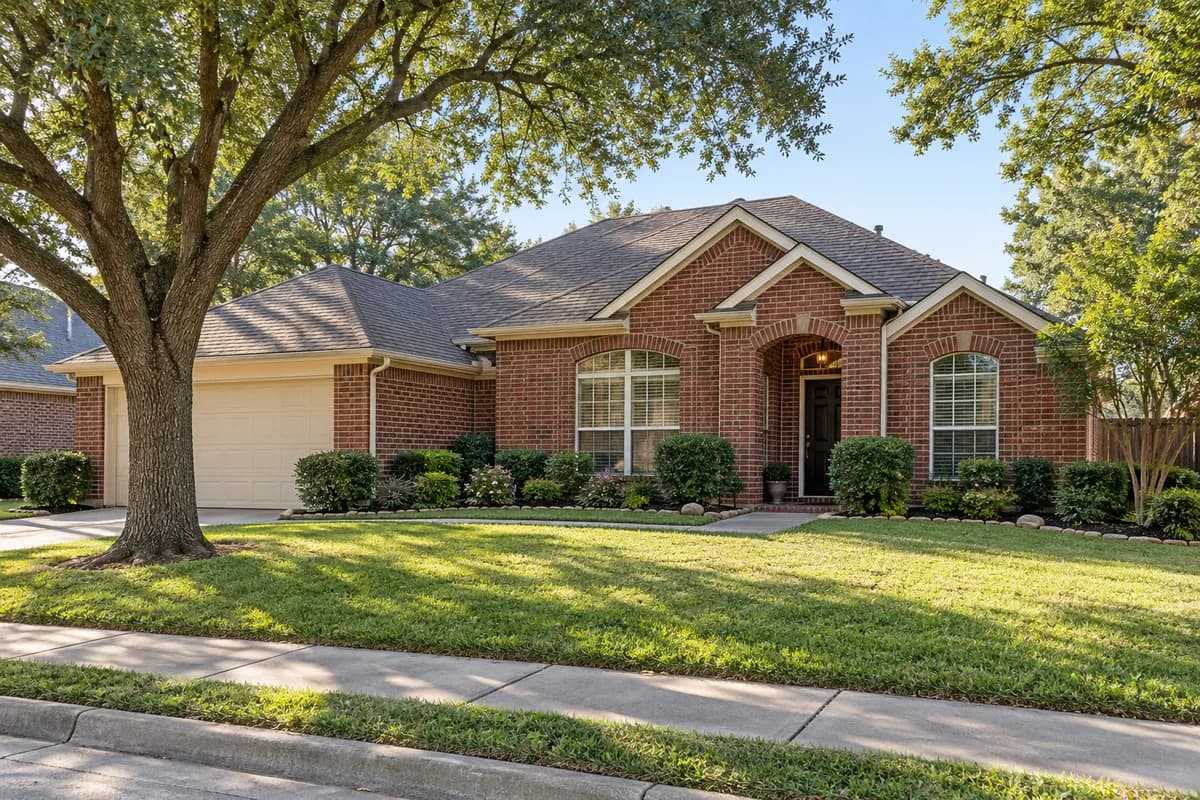
Review selling options for a Rowlett home, including foundation-repair permits, inspection records, and rental-property handoff planning.
Explore Rowlett →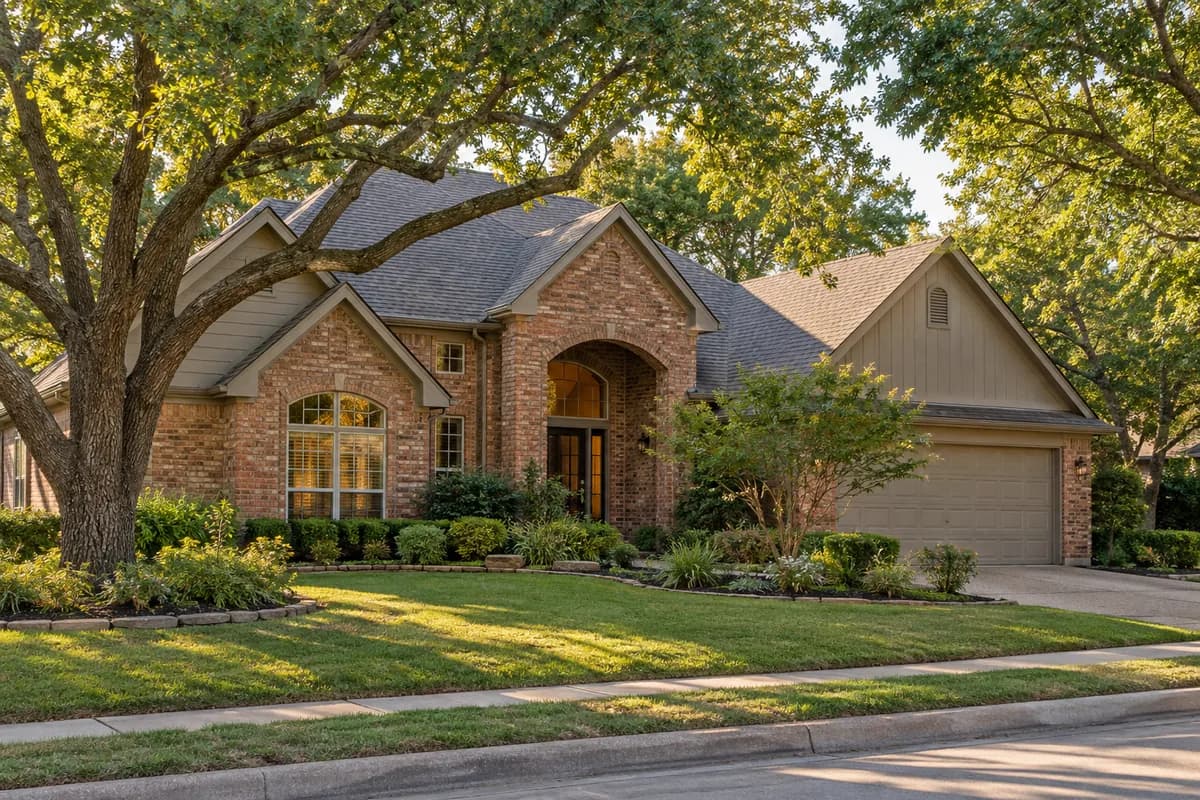
Review selling options for a Grapevine home, including permit, floodplain, and historic-property planning.
Explore Grapevine →
Review selling options for a Keller home, including permit, inspection, and project-record planning.
Explore Keller →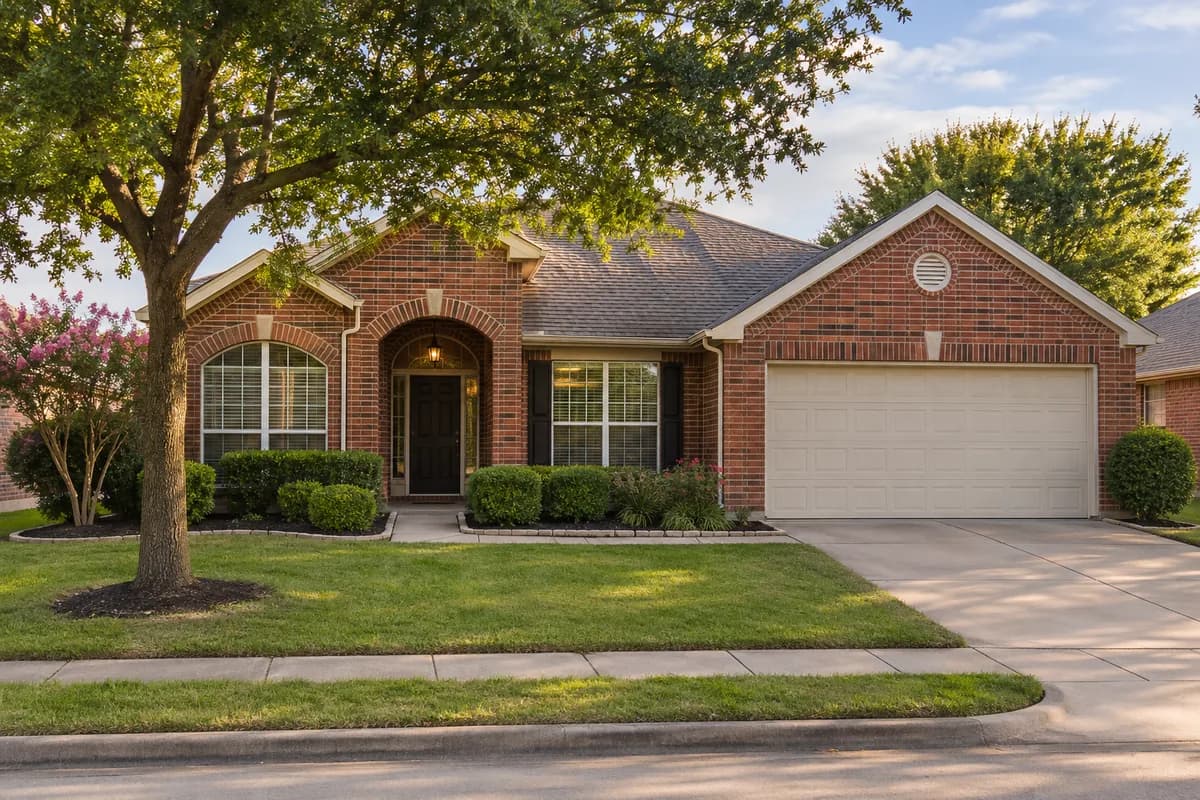
Review selling options for a Wylie home, including permits, foundation-repair records, and Downtown Historic District planning.
Explore Wylie →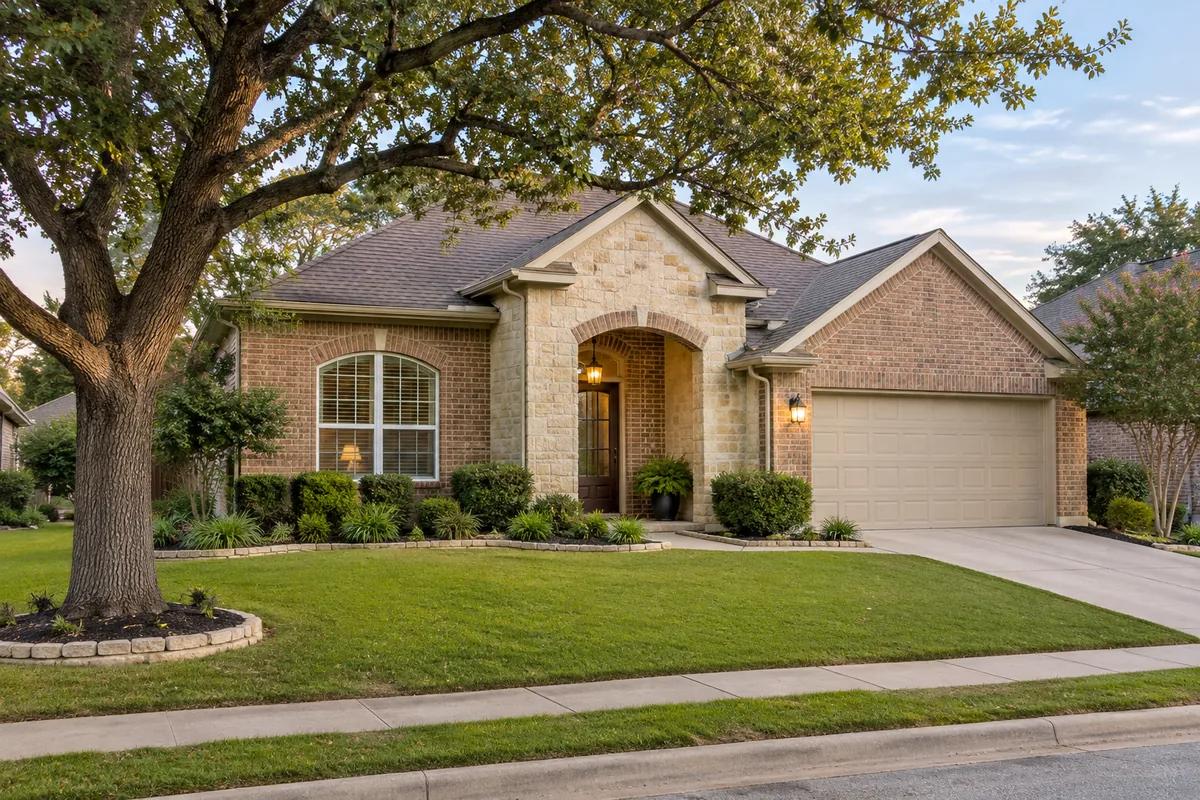
Review selling options for a Rockwall home, including permit, inspection, and historic-property records.
Explore Rockwall →
Review selling options for a Forney home, including permit, final-inspection, and floodplain planning.
Explore Forney →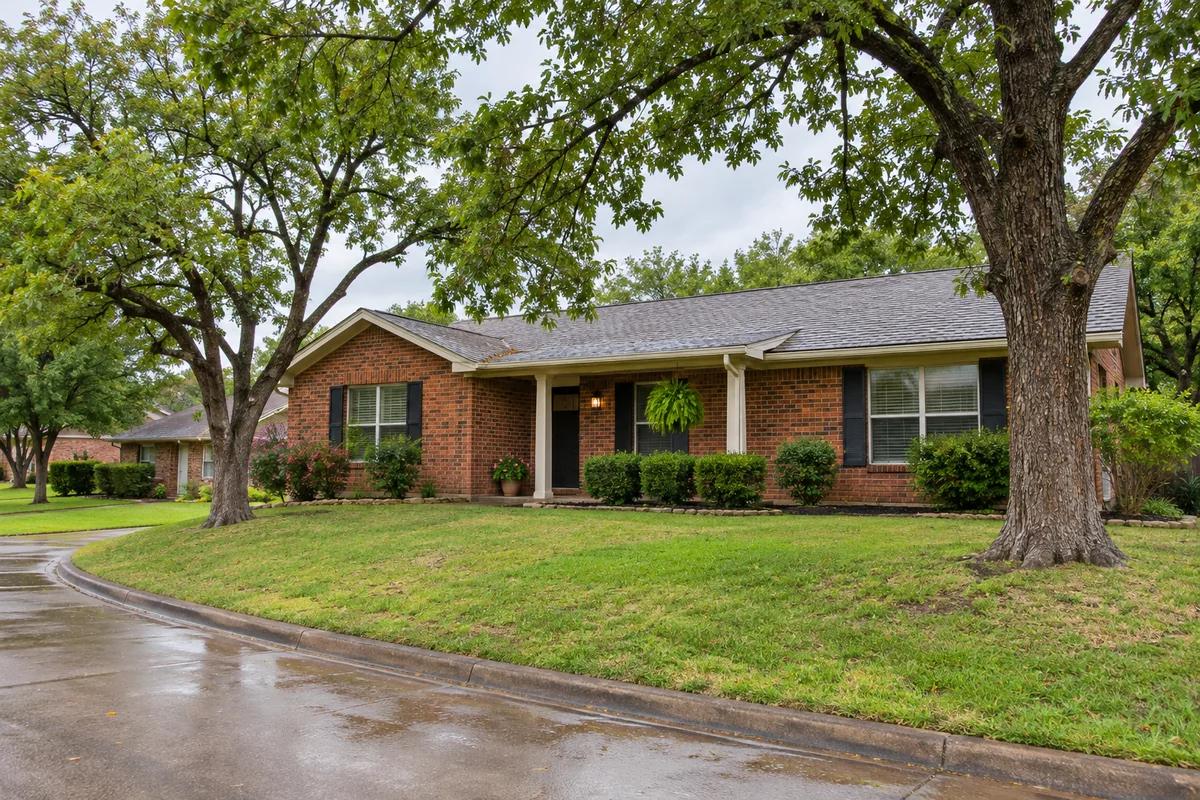
Review selling options for a Burleson home, including remodel permits, inspection records, and floodplain planning.
Explore Burleson →
Review selling options for a Cedar Hill home, including permit, inspection, and floodplain-grading records.
Explore Cedar Hill →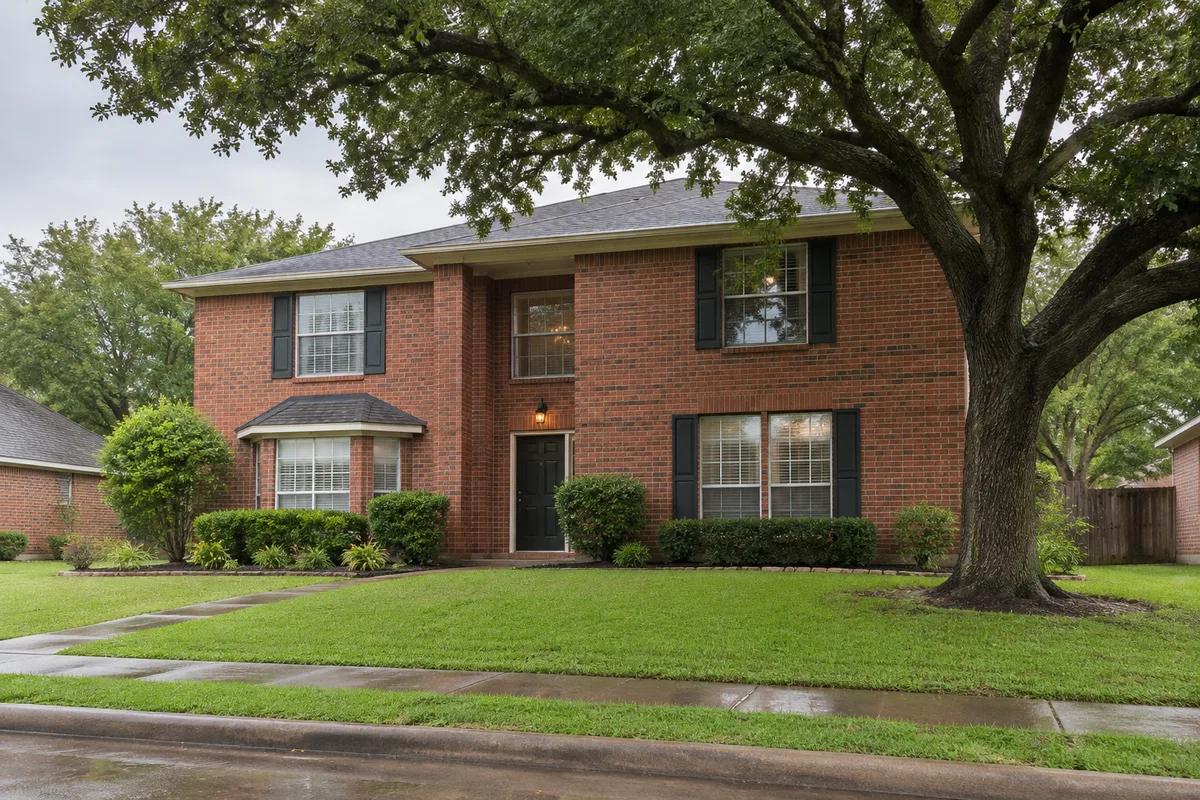
Review selling options for a DeSoto home, including permit, inspection, and floodplain-development records.
Explore DeSoto →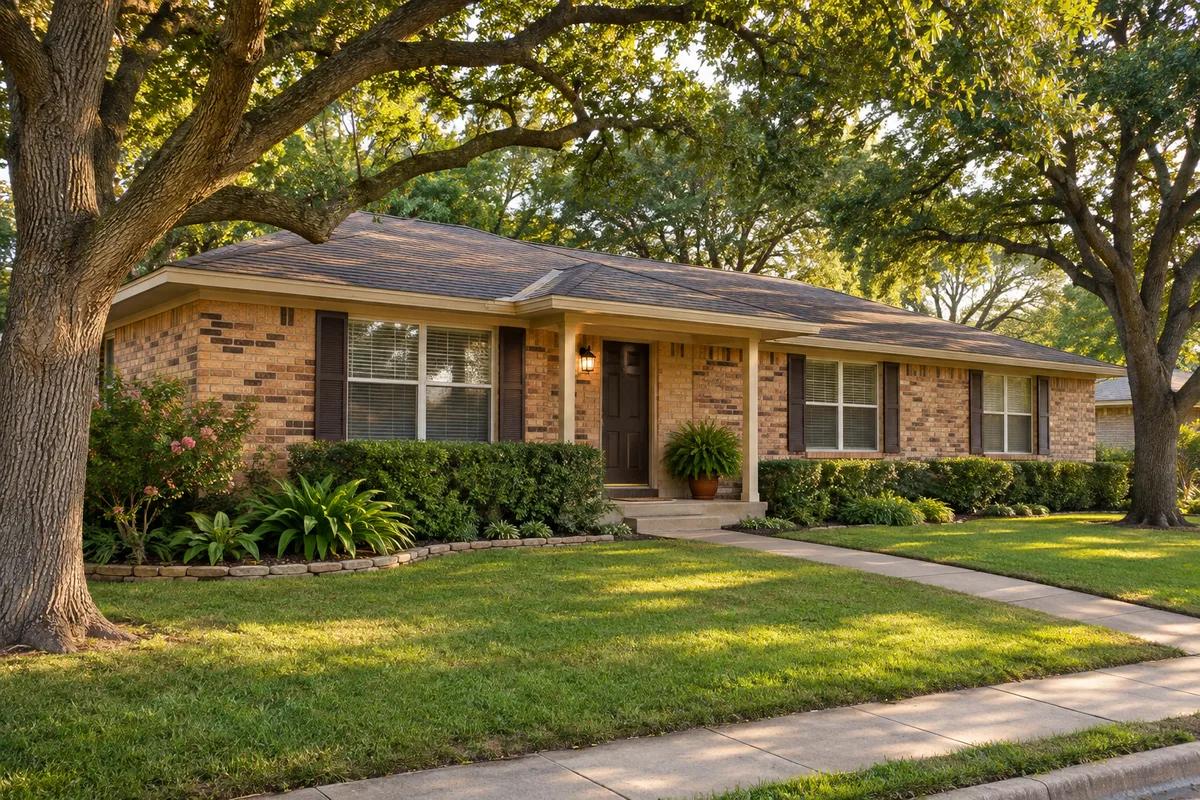
Review selling options for a Duncanville home, including permit, foundation-repair, inspection, and floodplain records.
Explore Duncanville →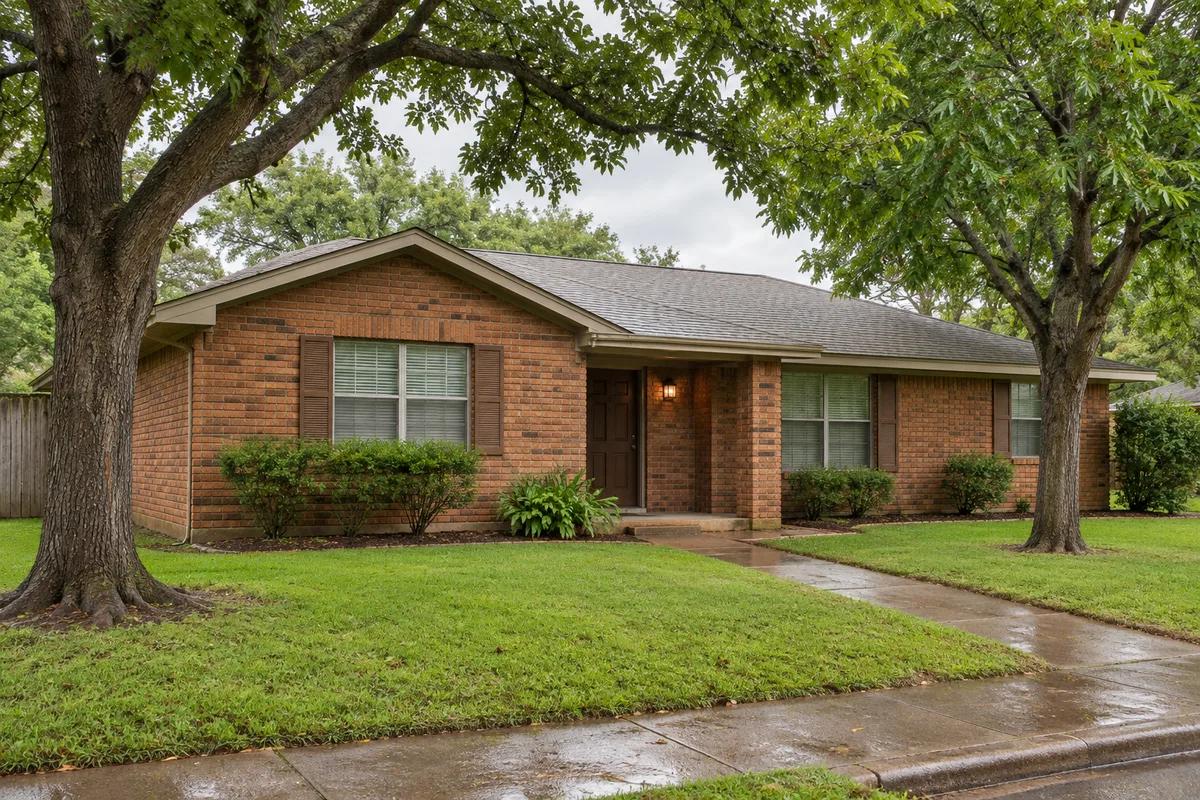
Review selling options for a Lancaster home, including permit, foundation-repair, inspection, and floodplain records.
Explore Lancaster →
Review selling options for a Waxahachie home, including permit, inspection, floodplain, and historic-property records.
Explore Waxahachie →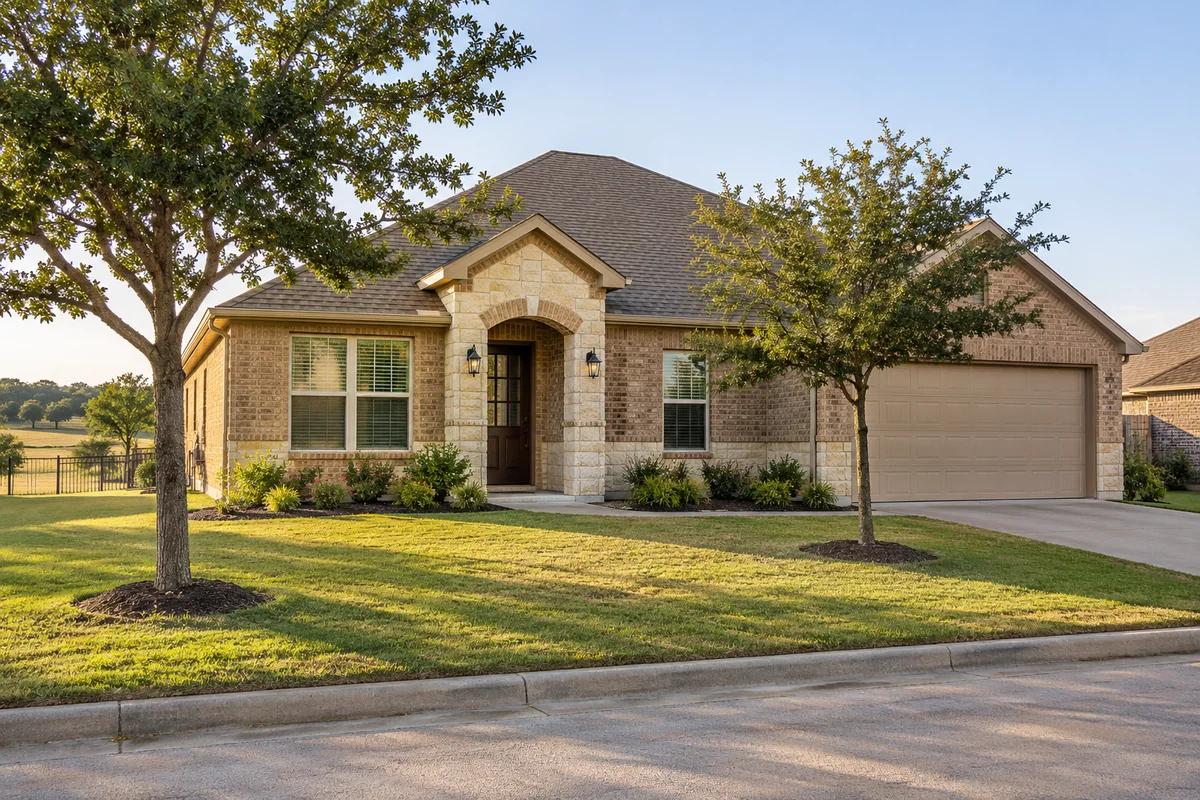
Review selling options for a Midlothian home, including permit, inspection, zoning, and floodplain records.
Explore Midlothian →
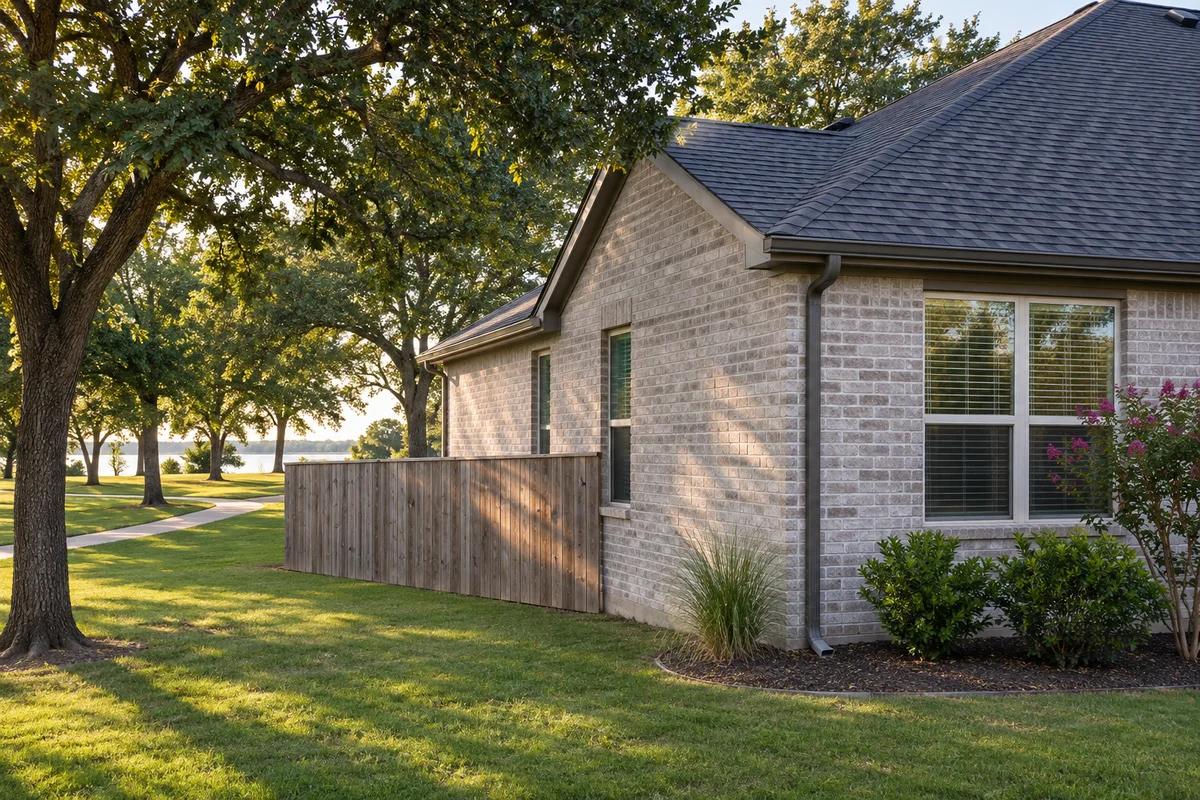
Check the survey, shoreline records and flood map before deciding how to describe and sell a Little Elm home near Lewisville Lake.
Explore Little Elm →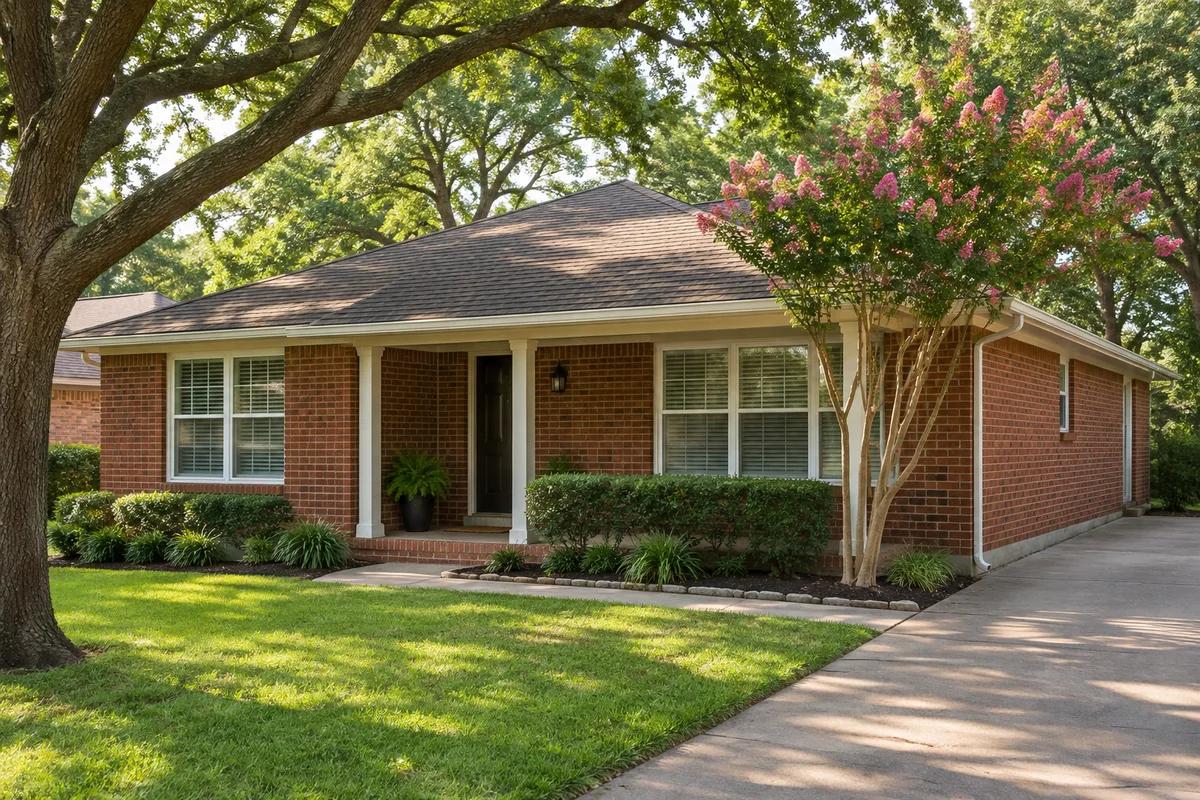
Compare a current-house sale with the work and funding behind a Farmers Branch rebuild.
Explore Farmers Branch →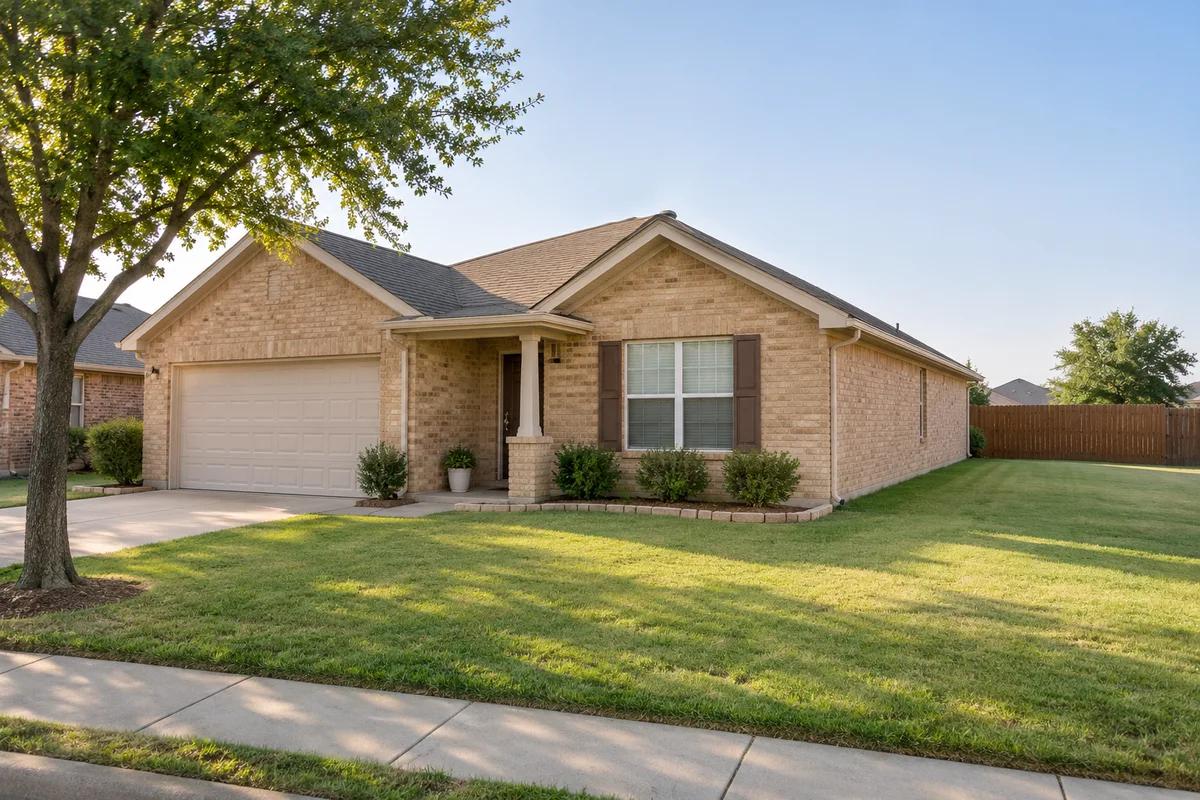
Check drainage and maintenance records before preparing a Melissa yard for sale.
Explore Melissa →
Compare the sale and possession records with Anna water-service requests, current City instructions and the final bill before planning a home handoff.
Explore Anna →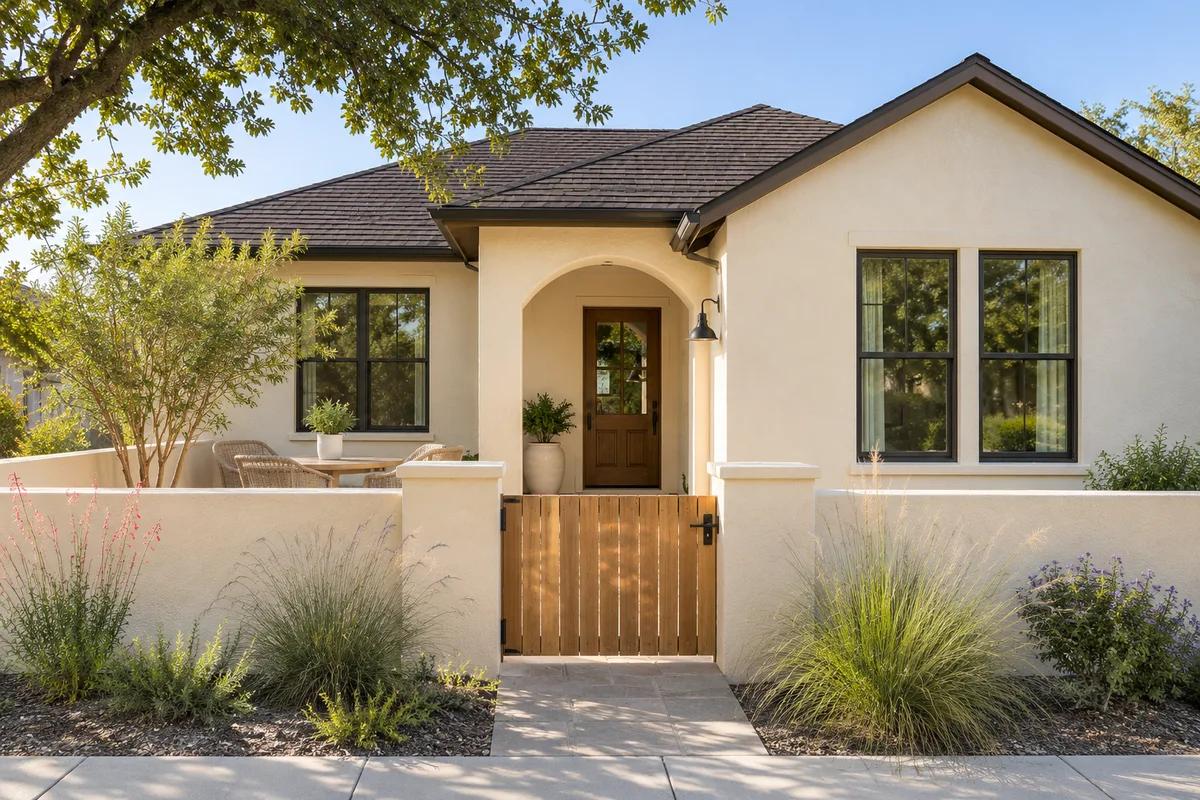
Match Princeton public improvement district names, phase or improvement-area labels and document years before relying on a home-sale record packet.
Explore Princeton →
Read three actual Coppell permit-report snapshots, separate status from inspection dates, and keep open work questions beside your home-sale options.
Explore Coppell →Yes. Homeowners can sell properties as-is without completing repairs first. If you request an offer from Amoni, the property can be reviewed in its current condition so you can compare a direct sale with your other selling options.
Yes. A direct sale may allow you to sell without renovating or preparing the property for traditional market showings. The property's condition is considered when an offer is prepared.
The timeline depends on the property and the way you choose to sell. Traditional sales can be affected by preparation, marketing, negotiations, inspections, and buyer financing. With a direct sale, Amoni can discuss available closing options after reviewing your property.
No. You can sell directly to Amoni without hiring Amoni as your listing agent. If you are already represented by an agent or have an existing agreement, those circumstances should be addressed before proceeding.
Selling directly to Amoni does not require you to hire Amoni as your listing agent or pay Amoni a real estate commission. Any transaction-specific costs that apply should be explained before you decide whether to proceed.
Cash offers are property-specific. Amoni may consider factors such as location, condition, comparable properties, local market activity, estimated repair needs, and other property information when preparing an offer.
Amoni may consider a range of residential properties throughout Dallas–Fort Worth, including homes that are updated, dated, vacant, inherited, tenant-occupied, or in need of repairs. Each property is reviewed individually.
No. Requesting an offer does not require you to accept it. You can review the offer and decide whether it fits your situation.
No obligation to accept an offer.