

Seller resources · By Amoni Capital
Published
Selling a Dallas Home on Well Water? Start With Three Records
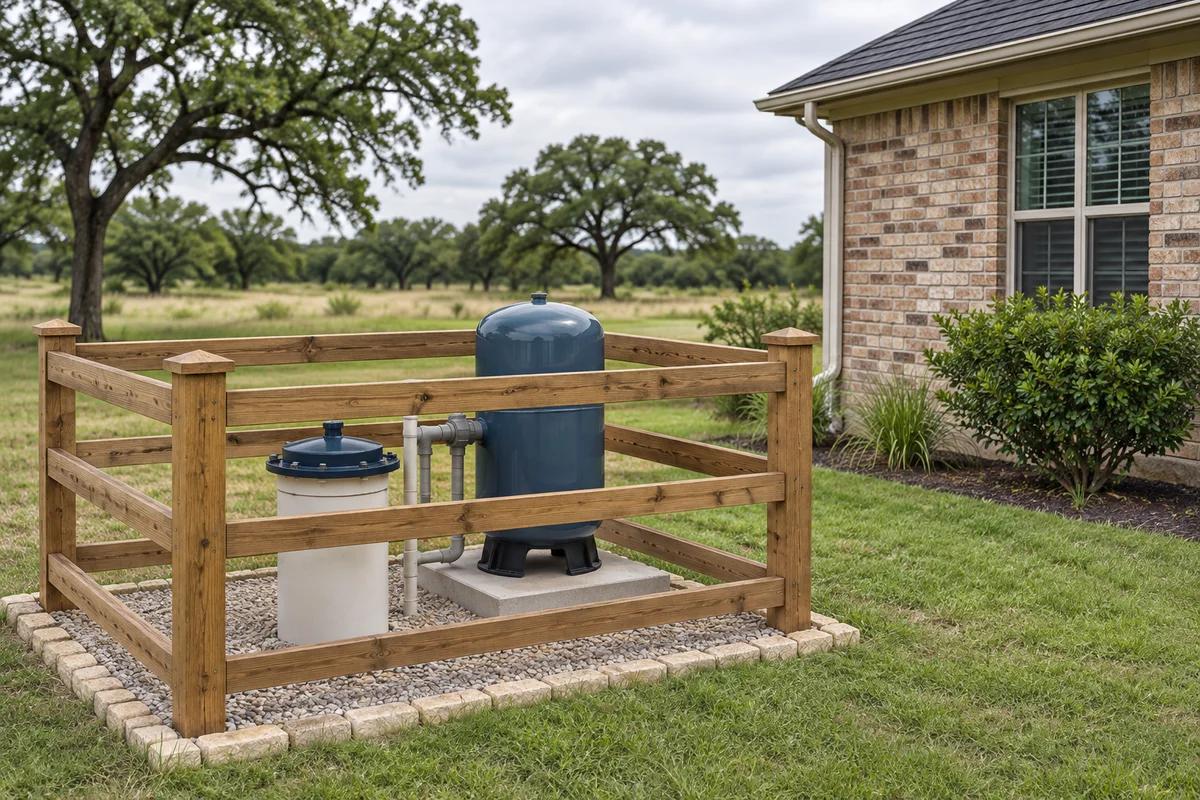
A buyer asks for the well paperwork. You find a repair bill, an old water test and a form from your agent. Which one answers the question?
Start by keeping three things apart: how the well was built, what a water sample showed, and what the sale contract asks you to disclose. One paper cannot answer all three.
This guide is for Dallas–Fort Worth owners selling a home that uses a private well. It helps you prepare questions for the right people. It does not decide whether water is safe, a well will keep producing, or a sale can close.
Match the question to the record
On a small screen, scroll the table sideways.
| Record | What to look for | What it does not settle |
|---|---|---|
| Well construction and service records | Which well the record describes, who prepared it and when work was done | The quality of water being used today |
| Water-quality laboratory report | Sample date, sampling point, tests ordered and reported results | Every possible contaminant, future results or all equipment issues |
| Contract and water-rights disclosure | The signed terms, required information and unanswered questions | A professional inspection or a water-quality test |
The Texas Water Development Board explains how to locate a well report and why the local groundwater district may matter. Start with its private-well FAQ. A missing online match is a reason to ask for help; it is not proof that no well exists.
Ask the seller’s agent, well professional or record holder which paper answers each question. Keep a copy of the response with the record it describes. Use dates and source names so another person can follow the same trail.
Build your next-question request
Choose what you know about each record below. The tool makes a short request you can edit or copy for your own use. Having a paper is not the same as having its meaning checked.
The water-rights form has its own purpose
TREC Form 61-0 is the Seller’s Disclosure about Groundwater and Surface Water Rights. TREC lists July 1, 2026 as its effective date. Use the official form page, rather than an old description calling it only a well inspection form.
TREC explains that this disclosure can be required by the sale contract. It is not a separate disclosure required by another law. The applicable contract has an exception with several conditions. Ask your agent or a Texas real-estate attorney to review the actual contract and your facts. Do not decide that the form is optional just because the house has city water or an old unused well.
The water-rights disclosure and the Seller’s Disclosure Notice have different sources and exceptions. Being exempt from one does not automatically exempt you from the other. Read TREC’s water-disclosure FAQ. The separate Seller’s Disclosure Notice addresses material facts and property condition for many previously occupied single-family homes.
Read a water test with the right help
Ask which sample was tested, where it was collected, and what the laboratory checked. Keep the complete report rather than only a message that says “passed.” Ask the laboratory or local health department what the result does and does not answer for this property.
EPA recommends using laboratories certified for drinking-water testing. Its guidance also explains when well owners should test and why local conditions can change the questions to ask. Use the EPA private-well guidance. This article does not set a test panel, interpret a result or recommend a treatment.
If you suspect contamination, ask the local health department for advice. Do not treat this article, a clear-looking glass of water or an offer from a buyer as confirmation that the water is safe.
Find the right local contact
Start with the property’s actual location. A Dallas mailing address does not answer every local jurisdiction question. Ask which groundwater conservation district, if any, covers the property. The Water Development Board says each district has its own rules, so ask that district what applies.
Keep well questions separate from wastewater questions. If the property also has septic, our Dallas-area septic-records guide covers that separate record trail. A septic permit is not a substitute for the well’s records or a water report.
A paper can be real and still leave a question
Imagine that a family has a well service receipt and an older laboratory report. The receipt shows work was done. The laboratory report describes a sample. Neither tells the family what the buyer’s current lender or signed contract will ask for.
The next step is to send both records to the professionals handling those questions. Ask what is missing, who can obtain it and what the actual agreement requires. This is a fictional record example, not a promise that a lender will accept a document or approve a loan.
Compare the selling choices after naming the open questions
On a small screen, scroll the table sideways.
| Choice | Useful preparation | Question to keep visible |
|---|---|---|
| Get professional findings before listing | Gather records and written scopes for any proposed work | What did the professional review, and what remains outside that scope? |
| List in the present condition | Discuss known facts and the actual proposed terms with your agent | What inspections, documents or work does this deal require? |
| Ask for a direct as-is offer | Provide accurate information and compare the written terms | What water-related questions, costs and conditions remain? |
Selling as-is does not itself decide the disclosure duties or water-related terms in your contract. Ask your agent or attorney about those duties before signing. Our as-is selling guide can help you compare the broader paths.
For an overall cost comparison, use your own verified figures in the home sale calculator. A price alone does not tell you what the transaction will leave after actual costs. This guide does not supply a well-repair budget, home value or promised closing date.
Your next step
Pick one unanswered question from your request. Send it to the person who can answer it, and keep the written reply with the related record.
Once you understand the open questions, you can request an Amoni Capital offer as one option to compare. Ask what the actual offer requires; an offer is not a water-safety report or a promise to close. Amoni has a business interest in a direct purchase. Read our role and terms, and compare other selling choices as well.
This is general educational information, not legal, health, engineering or financial advice. Your records, professional findings and signed agreement control your own decisions.