

Seller resources · By Amoni Capital
Published
Solar Paperwork Before a Dallas Home Sale
Before describing solar panels to a buyer, find the agreement behind them. A purchase, loan, lease or power-purchase agreement raises different questions for your Dallas home sale.
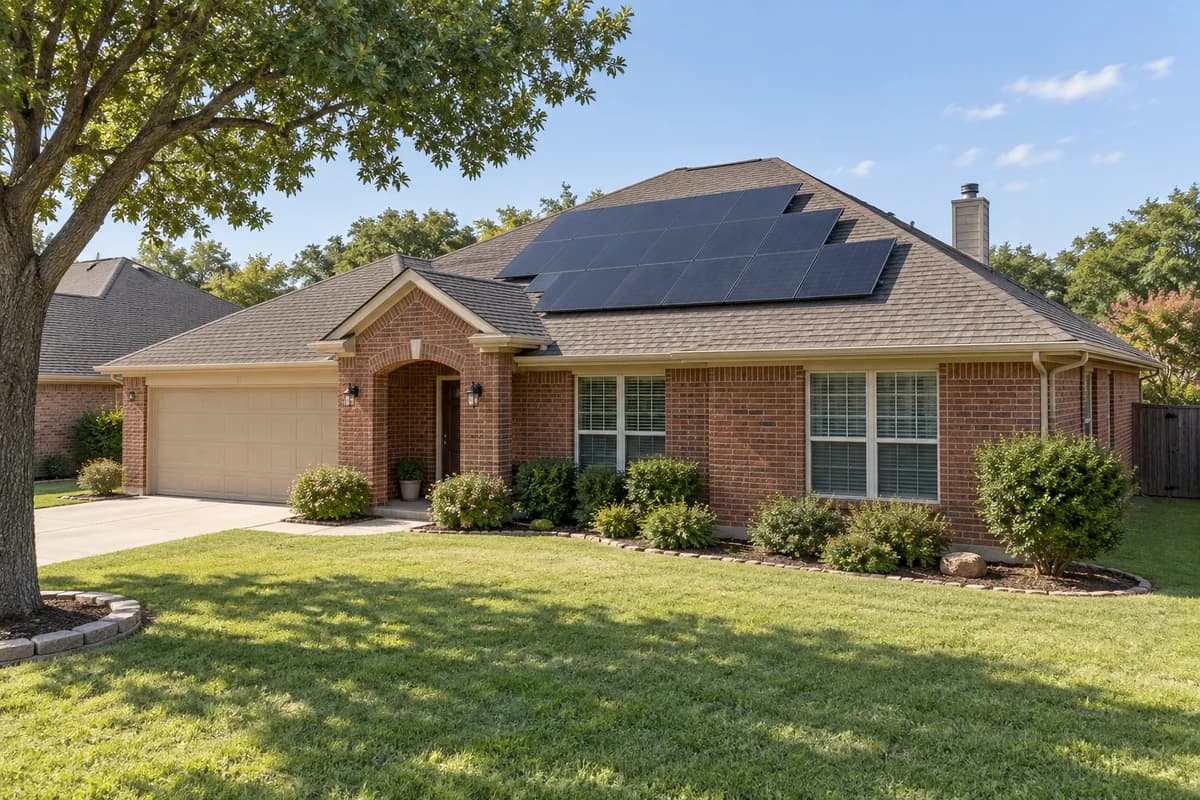
Start with a written provider request
Choose the agreement you can identify from your records and create a question brief for the company handling it. If you cannot identify it, use the unknown route. This workspace helps you ask; it does not interpret your contract.
Solar provider request builder
A local writing workspace. Nothing is saved or sent. Add account details only in your own verified provider channel.
Changing the agreement type replaces any edits with a fresh draft. The selection reflects your records; it does not classify your contract.
Review this question draft before using it. No message is sent by this page.
Read the label, then check the agreement
The Department of Energy advises buyers to identify contractual agreements tied to solar panels; third-party ownership can require additional steps to transfer the contract. DOE guide to evaluating a solar-equipped home.
Purchase documents
Who owns the equipment?
Locate the installation purchase agreement and any payment or completion record. Keep equipment ownership separate from any debt used to buy it.
Loan documents
Who is owed money?
Find the signed loan agreement and current servicer. Request a transaction-specific written payoff and ask whether an assumption is even available.
Lease or power-purchase documents
What ongoing agreement is involved?
Ask the provider to identify the agreement, who owns the system, and the process and conditions for a proposed sale. Do not use a monthly payment alone to classify it.
These cards are places to look in your records, not a legal classification of your arrangement. A loan is not a lease, and an installer receipt is not a lender response. For a power-purchase agreement, request its actual sale provisions rather than assuming that lease wording fits.
The CFPB describes both secured and unsecured solar loans. Its solar-financing report describes payoff or lender-permitted buyer assumption as typical ways to leave financed panels with a sold home. CFPB solar-financing report.
That report describes typical arrangements. Your lender and written agreement determine whether a proposed assumption is available; your closing professionals need to review the response. Do not promise a buyer that they can take over payments just because that outcome appears in another sale.
Move the answers through three handoffs
Keep a single set of documents, but use each conversation for a different purpose. Record unanswered questions beside the written responses so uncertainty stays visible.
1 · Provider or servicer
Identify the contract and available process
Use the request builder above. Ask which company currently handles the agreement, what written documents it can provide and which steps it would require for your proposed sale. Keep the response date and any stated validity period with the response.
2 · Closing and legal professionals
Reconcile the response with the property record
Share the signed agreement, provider response and proposed sale terms with the title/closing professionals and, where needed, a qualified Texas real-estate attorney. Ask them what is unresolved in your transaction. A generic online guide cannot clear title or authorize a transfer.
3 · Your agent and prospective buyer
Describe the verified arrangement consistently
Work with your agent on the listing description and proposed terms. Keep the same ownership, debt and contract facts visible in each discussion. Identify anything still conditional instead of describing it as approved.
For a fixture lease, ask about the Texas addendum
TREC Form 52-1 identifies solar panels as possible leased fixtures and includes provisions for lease delivery, assignment or assumption, cost allocation and fixtures the buyer does not assume.
The form tells buyers and sellers to consult the lessor and their attorneys about assignment, assumption or termination of fixture leases. Read the official fixture-lease addendum.
Ask your agent or attorney whether this form fits your agreement and how the proposed choices interact with the actual lease. The form is not a provider approval or a substitute for the contract. Keep its applicability and any deadlines transaction-specific; do not fill it out based solely on this article.
Bring these questions to the closing review
Ownership and debt
Does the purchase record match the provider response? Keep any equipment debt separate from the home mortgage payoff.
Payoff or proposed assumption
What written statement, approval or other evidence would the professionals need for this specific sale? Who is confirming each item?
Recorded interests
Ask title and legal professionals to review the actual records and any requested release. Do not assume all solar loans create the same kind of lien.
Cost allocation
Who would pay a stated payoff, transfer charge or other agreed cost under the proposed terms? Check whether it is already included elsewhere in your estimate.
Promises to the buyer
Which facts are documented and which remain unanswered? Avoid calling equipment owned, paid off, transferable or warranty-covered without the relevant written support.
If an installer or original provider is unavailable, begin with the contacts on your current statement and signed contract. Ask who now handles servicing and records. Do not infer that an obligation disappeared because a former contact no longer responds.
Keep the equipment story separate from the contract story
DOE recommends asking about the installer, existing warranties and available system-production records when evaluating a home with solar panels. DOE buyer questions.
Gather the installation date, equipment information, available service records, warranty documents and production reports you already have. Let a qualified professional assess any roof, electrical or performance concern. A provider request does not inspect the equipment.
Share useful records without handing out account passwords or unrelated personal data. Ask the provider how a buyer could receive appropriate monitoring access through its approved process. Do not guarantee bill savings or a property-value premium from general solar marketing.
Now compare sale terms with the solar questions visible
Once you have the written responses, compare the same solar facts across listing and direct-sale proposals. Look at the price, seller costs, stated obligations and anything still conditional. An as-is label does not establish that a particular solar contract can be assigned or paid off.
Keep a quoted solar payoff or agreed transfer cost separate from the home mortgage payoff. Mark who would pay it and check whether a proposed offer already accounts for it before subtracting it again. Use the selling-cost guide and cash offer vs. listing in Dallas for the broader comparison.
Open the Home Sale Calculator with your own confirmed amounts and estimates. It does not calculate lender approval, contract transfer or a solar premium.
Amoni's free Home Sale Options Review can help compare sale choices with the obligations you have identified in view. Amoni has a business interest in purchasing eligible homes; review any proposed offer independently.
Compare My Sale Options