

Investor resources · By Amoni Capital
Published
A Dallas Rental Repair Request Needs a Record Trail, Not a Text-Message Guess
A repair request can arrive as a text, portal ticket, voicemail or conversation. The operating job is to turn that report into one traceable file: receipt, facts, triage, access, qualified work, updates and completion evidence.
Quick answer: preserve the tenant's words and receipt time, review the lease and current Texas law, assess health-and-safety facts promptly, use qualified vendors and required permits, document access and updates, and close the loop in writing. Do not use a generic seven-day rule as a universal completion deadline.
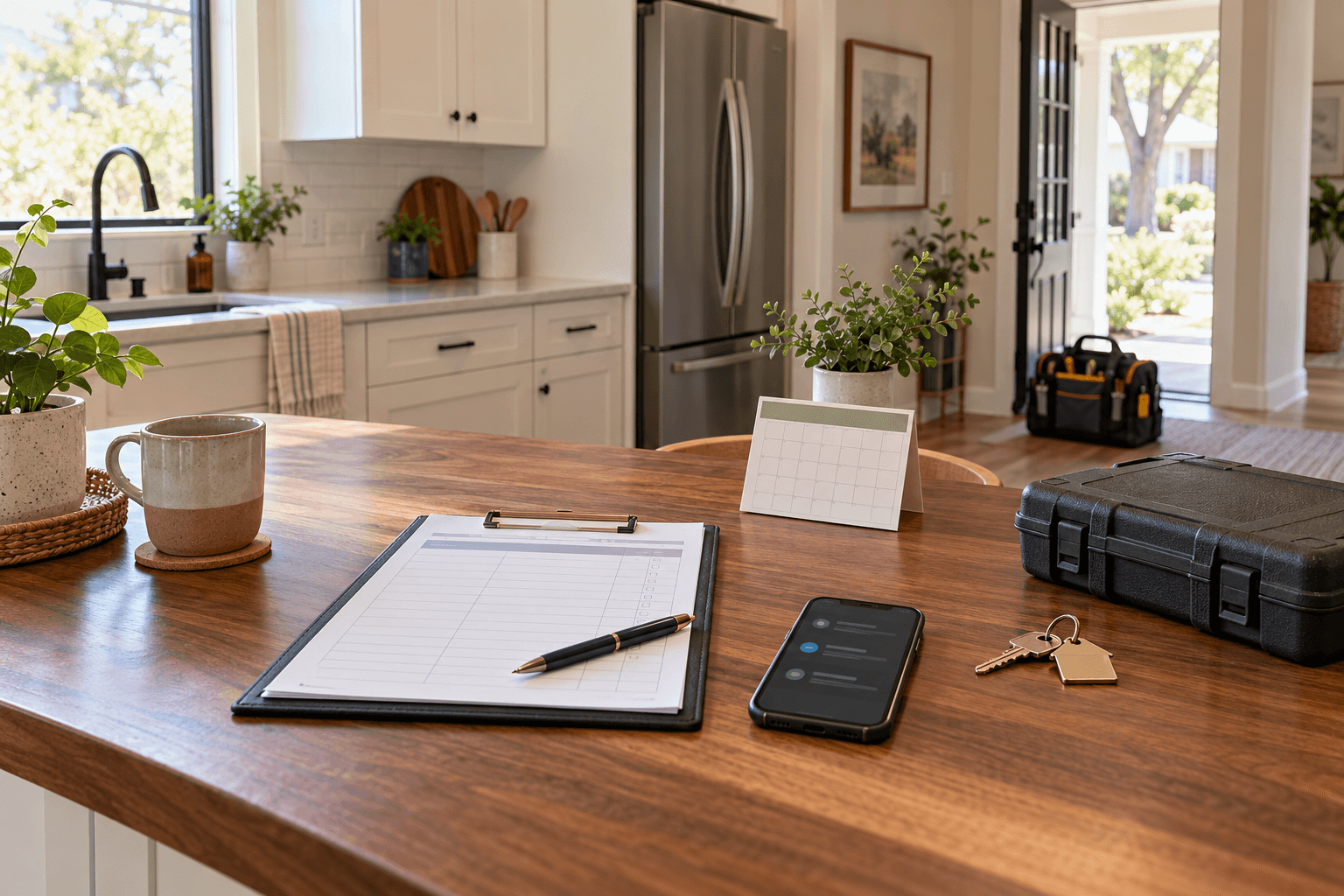
1. Preserve the request before interpreting it
Save the original message or portal entry, when it was received, who received it, the property and unit, contact information, access instructions and any photos supplied. Keep the tenant's description separate from the owner's or vendor's diagnosis.
Texas Property Code Section 92.052 ties a landlord's repair duty to specified facts, including notice, rent status and a condition that materially affects the physical health or safety of an ordinary tenant. Apply the current statute, signed lease and facts with qualified Texas counsel.
2. Triage facts, not message tone
Use a consistent intake process: reported condition, affected system, active water or electrical concern, loss of essential service, vulnerable occupants disclosed by the tenant, prior work and safe access. Escalation should reflect observed facts and professional advice, not whether the message sounds calm or urgent.
Section 92.056 uses a diligent-effort and reasonable-time framework after notice rather than a universal completion deadline for every repair. The Texas Attorney General says the law presumes seven days is a reasonable time, but the landlord may rebut that presumption. Those statements are not a do-nothing window or a deadline calculator.
Repair-request routing board
Use this private browser checklist to organize the handoff. It does not diagnose a condition, calculate a legal deadline, or decide anyone's rights.
Routed: 0 of 5
Nothing is saved, scored, or submitted.
3. Assign authority, access and qualified work
The work order should identify who may approve scope changes, spending limits, vendor qualifications, tenant contact rules, access method, permits and after-hours escalation. Section 92.0561 says repairs made under the tenant repair-and-deduct process must comply with applicable building codes, including a permit when required.
If a manager coordinates the work, use the Dallas property-manager due-diligence guide to document authority, vendor controls, reporting and file ownership. Pair complaint history with the Dallas rental-registration review.
4. Keep one progress log
Record each contact attempt, access result, inspection, diagnosis, estimate, authorization, part delay, temporary measure, permit, invoice and update. A vendor's completed ticket may show work performed; it does not by itself establish statutory compliance or resolve a tenant's remaining report.
Dallas says its single-family rental program includes an annual owner inspection and a City inspection at least once every five years, excluding complaint-driven inspections. Registration and periodic inspection do not replace the repair-request file.
5. Close the loop and retain evidence
Confirm what was inspected, what was repaired, when access and work occurred, what remains open, and where invoices, permits and photos are stored. Ask the tenant to report continuing symptoms without implying that silence proves completion or satisfaction.
Feed recurring systems and realistic reserves back into the Dallas rental-property analysis. Keep repair costs and condition evidence distinct from the security-deposit record trail.
Make the handoff reproducible
A future owner, manager, vendor, insurer or lawyer should be able to reconstruct what was reported, what facts were found, who acted, what changed and what remained open—without relying on memory.
View investment opportunitiesPrimary sources
- Texas Property Code Chapter 92
- Texas Attorney General renter's rights
- City of Dallas single-family rental registration FAQ
Educational information only; not legal, property-management, construction, insurance, tax, accounting, or investment advice.