

Seller resources · By Amoni Capital
Published
Lead Paint Disclosure for a Dallas Home Built Before 1978
Imagine a seller of a 1966 Dallas home who has never received a lead-paint test report. Not having a report and not knowing whether lead-based paint is present are two different statements. Keep that distinction clear before answering a disclosure question or comparing an offer.
This guide helps sellers of older homes review the information handoff. The practice cases use fictional facts; they do not test your property, complete your forms or decide your transaction rights.
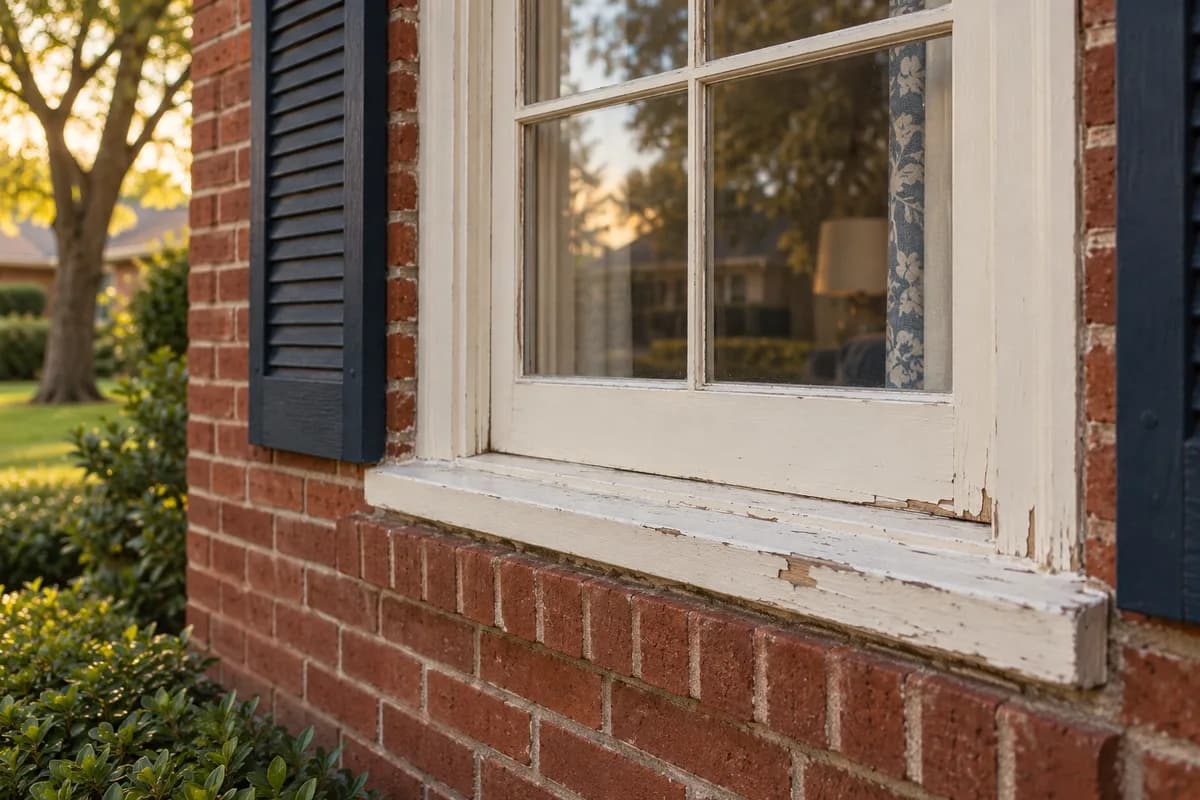
First, confirm the covered-sale scope
EPA says the Lead-Based Paint Disclosure Rule applies to most housing built before 1978 and requires specified information before a buyer signs a sale contract. Read the official disclosure guidance.
Most does not mean every property or transaction. Have your agent or a qualified Texas real-estate attorney review the construction records, property type and any claimed exception. If records give conflicting construction dates, bring the conflict to that review rather than guessing from a remodel date, tax website or the appearance of the house.
This article focuses on a home sale. A lease, foreclosure transaction, estate authority question or other special situation deserves its own professional review. Do not use a cash, as-is or agent-free label as the reason to skip checking which requirements apply.
Practice four common information-handoff distinctions
Choose an answer for each fictional example to see the reasoning and its primary source. You can also read all explanations immediately. There is no score, compliance badge or requirement to finish the exercise.
These fixed fictional cases explain distinctions; they do not assess your home or certify compliance. No personal or property information is requested, saved or submitted.
Read the source notes without answering
No test report in the file
EPA's sample seller form separates knowledge about lead-based paint from the availability of records and reports. An absence of reports is not a test result. In this example, the seller should keep what they know separate from which records they have.
EPA sample seller formAn earlier report and a later paint job
EPA requires known lead-based-paint information and all available lead-based-paint records and reports to be disclosed for covered sales. For this example, do not discard an earlier report because a newer invoice exists. Have a qualified professional explain what each document actually establishes.
EPA disclosure requirementsA buyer proposes an inspection waiver
EPA allows buyers to waive the inspection opportunity and separately lists disclosure of known information, available reports and the lead-hazard pamphlet. A proposed inspection choice is not a substitute for the separate information requirements. Ask your transaction professionals to review the actual written terms.
EPA disclosure and inspection requirementsAn email with attachments was sent
EPA describes electronic-disclosure requirements including paper-document rights, access and retention information, and buyer consent demonstrating electronic access. A sent message alone does not show how the electronic process was handled. Ask the professionals managing delivery and signatures to verify it.
EPA electronic-disclosure guidanceYour choices disappear on reload. No exercise result tells you what to mark on a real form, whether an exception applies or whether you can sign a contract.
Make two separate passes through your records
Pass one: what you actually know
Write a factual summary for your own review: what a professional told you, what an existing report says, when it was prepared and which areas it addressed. Distinguish a professional finding from an assumption about the age of the home. Ask for clarification if a statement or scope is unclear.
Avoid turning not tested into tested and clear. If you are aware of a finding but cannot locate its report, keep both facts visible to the professional reviewing your disclosure. Do not answer a form from a convenient summary in a marketing listing.
Pass two: what documents are available
Gather the relevant inspections, assessments and other lead-related reports you have. Keep later work invoices beside earlier findings, with dates and the stated work scope. Ask the reviewing professional which records must be supplied and how to describe a missing attachment.
Keep the original report and its limitations together. A single photo, a contractor's invoice or a new coat of paint should not be treated as your own lead-free certification. Have a qualified professional explain what the actual records establish.
The EPA sample seller form includes separate seller statements about knowledge and records, plus buyer acknowledgments about receiving materials. Read the official sample. It illustrates those distinctions; ask your transaction professionals which current documents belong in your actual agreement.
Check the handoff before the buyer is bound
Ask the professionals handling your agreement to confirm the actual delivery, acknowledgment and inspection choices before anyone relies on a completed packet. Keep questions tied to the transaction rather than a generic online calendar.
Information and materials
Ask which known information, available reports, official pamphlet and required warning language are included. Ask who will verify the buyer's receipt and the relevant signatures. A checked box should reflect what actually happened.
Inspection opportunity
EPA describes a 10-day inspection or risk-assessment opportunity; parties may change the period by written agreement, and buyers may waive that opportunity. Check the official wording. Ask your attorney or agent to explain the actual written choice and its interaction with your agreement. This guide does not compute deadlines or decide termination rights.
Electronic delivery
Ask how the electronic process handles access, consent, paper-document rights and retention of the materials. Keep the instructions and acknowledgments with the record. Do not assume an email attachment alone answers those questions.
The signed copy after the sale
EPA says to keep a signed copy of the disclosures for three years after the sale is completed. See the record-retention requirement. Ask which completed version to retain and keep the delivered reports and correspondence organized with it.
Testing or work is a separate scope decision
The EPA disclosure-rule fact sheet says that this rule itself does not require sellers to test for or remove lead-based paint or lead-based-paint hazards. Read the official fact sheet.
That is the scope of this disclosure rule, not a conclusion about every obligation, property condition or buyer proposal. If you are considering assessment, repairs or renovation, ask a qualified lead professional to explain the work and applicable requirements before disturbing painted surfaces. Obtain the actual written scope rather than assuming that repainting, renovation and lead abatement are interchangeable.
If a buyer requests work or presents inspection findings, ask who will review them and what the proposed agreement actually requires. Put questions about lender conditions, safety, professional qualifications and timing with the relevant professionals. This article does not approve a work method or determine whether any loan can fund.
For a broader preparation decision, the major-repairs guide and selling-as-is guide can help organize your choices. Neither replaces the property-specific disclosure and work review.
Check local help without assuming eligibility
Dallas County Health and Human Services describes a Lead Abatement and Healthy Homes Program for eligible households in homes built before 1978. Review the County's current program page.
If you are exploring that help, ask the County directly about current eligibility, service area, availability and the effect of your plans to sell. An online program description does not establish that your home qualifies, that funds are available or that a sale will be ready by a particular date. Keep that inquiry separate from a buyer's proposal.
For a dispute about what a report means, which requirement applies or how a proposed contract handles it, seek transaction-specific legal or professional advice. If someone asks you to certify a fact you do not know, ask for clarification instead of copying the answer from this article.
Compare written proposals with those questions visible
Use the same known information and available reports when asking about listing or a direct-sale proposal. Compare who would arrange further assessment, what work is actually proposed, how costs are allocated and what questions remain unanswered. Avoid making one proposal look complete by omitting a concern you kept in the other.
Use the selling-cost guide to organize confirmed written estimates. Use the Home Sale Calculator for the wider proceeds comparison once you have appropriate amounts. It does not price lead-related work or verify disclosure compliance.
Amoni's free Home Sale Options Review can help compare selling paths with disclosure and work questions in view. It is not a lead inspection, remediation service, legal review or guaranteed offer. Amoni has a business interest in purchasing eligible homes; have any proposed agreement reviewed independently.
Review My Sale Options