

Seller resources · By Amoni Capital
Published
Selling a Dallas Home With a Pool Starts With the Inspection Scope
“The pool was inspected” leaves an important question unanswered: what did that visit actually cover? Before using the phrase in a selling conversation, read the agreed scope, the findings and the limitations together.
This guide helps Dallas-area homeowners read those distinctions before choosing a selling path. Start with the worked example below, then use the questions with your own provider and transaction professionals. The example cannot evaluate your pool or supply a disclosure answer.
Read the annotated scope excerpt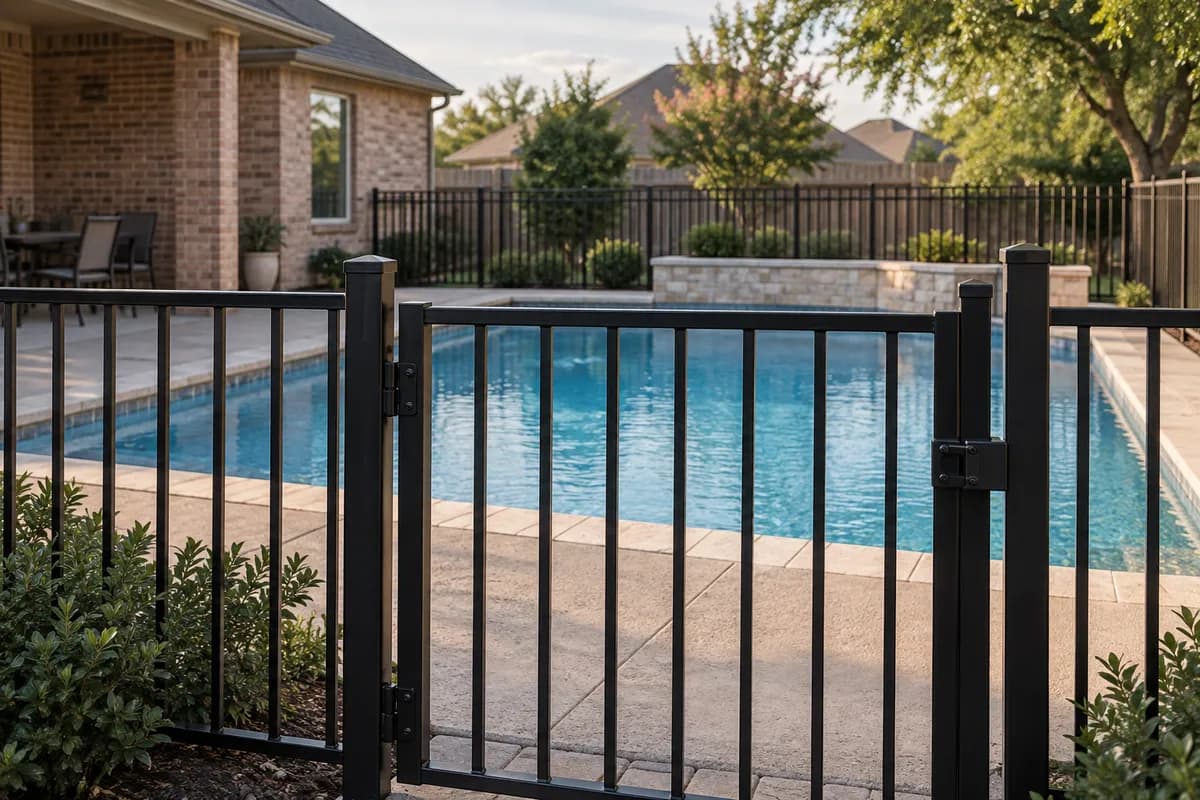
Read three lines before relying on the conclusion
These are original, fictional teaching lines, not quotations from a report or a template for an inspection agreement. Open each line to see the question it leaves for the reader. Your actual documents may use different language and cover different work.
Illustrative scope excerpt · Inclusion / limits / follow-up
Inclusion “Pool and spa included in the agreed inspection.”
TREC treats pool inspection as an optional system: an inspector who agrees to inspect it must follow the applicable standards. Read §535.233 in the inspector standards.
Ask where that agreement is recorded and which pool or spa components it covers. A general home-inspection booking or a service receipt should prompt a scope question, rather than an assumption about what another person examined.
Carry forward: Which agreement and report establish the included work for this property?
Limits “Finding pool-shell or buried leaks was outside this agreed scope.”
TREC does not require an optional pool inspection to determine the presence of pool-shell or subsurface leaks. Read the stated inspection limits.
This fictional exclusion describes a limit, not a finding that a leak exists or an assurance that no leak exists. If you have a concern, ask the provider which separate investigation would address it, what that investigation can establish and what remains outside it.
Carry forward: Does the question you want answered fall within the actual report, or does it need separately agreed work?
Follow-up “Separate evaluation recommended for the unresolved concern.”
In this example, recommended means the next step was proposed. The line does not say anyone arranged, performed or completed that evaluation.
Keep the recommendation beside the original finding. If a follow-up occurs, retain the new provider's scope and dated result. Ask the relevant professional to explain any difference between reports; avoid rewriting the earlier finding as resolved on your own.
Carry forward: Who will arrange the follow-up, and where will the actual result be recorded?
These explanations only expand text. They collect no answers and produce no pass, repair estimate or compliance result. They also work without JavaScript.
Give each professional a specific question
A seller may have several documents that mention the same pool. Ask the issuer what each one represents before presenting them as interchangeable. Keep the date, scope, observations and proposed next step visible when sharing them.
Ask the service provider what happened at the visit
Use the maintenance agreement and dated receipt to ask which tasks were performed and whether a separate concern was raised. If the receipt says only service completed, request the underlying explanation. A practical question is: “Which work does this receipt document, and which questions did this visit leave unanswered?”
Ask the real-estate inspector what was agreed
Read the agreement and full report together. TREC includes safety barriers, certain electrical protections and above-ground equipment leaks among the matters addressed in an agreed pool inspection. Review the complete pool standards. Have the inspector explain reported deficiencies, inaccessible components and limitations in your particular report.
Ask the proposed investigator what the new work will answer
For an unresolved concern, request a written proposal that names the question, the intended evaluation and the deliverable. Discuss access and operating conditions with that provider. Ask how their work relates to the earlier finding, rather than relying on a broad description such as complete pool check. Leave technical testing and equipment access to the appropriate professionals.
Resolve safety and local-work questions before cosmetic choices
If an existing report raises a safety concern, ask the qualified provider how to manage access and what further evaluation or work is appropriate. Do not use this page to test drains, electrical equipment or gate operation yourself. A good-looking photograph cannot answer the underlying concern.
CPSC says pool barriers cannot replace adult supervision and its guidelines are not themselves mandatory requirements. Read the home-pool barrier guidance. Have the responsible local office and qualified professional address the requirements for your property.
The City of Dallas guide lists pool/spa and pool-barrier permitting paths separately. Use the City permit guide. Ask the City which records and approvals apply to the proposed work at an address within its jurisdiction. Elsewhere in DFW, contact that property's municipality or responsible program; the Dallas guide does not answer every local question.
Keep any local response with the actual work proposal. Ask who is responsible for the required applications, inspections and final documentation for that particular scope. An old permit copy and a new technical report answer different questions; ask their issuers to explain what each establishes.
Keep known condition and unanswered questions visible
TREC's current seller notice lists pools, spas, pool equipment and pool heaters and asks about known working-condition or repair issues. Read the current Seller's Disclosure Notice.
The notice describes the seller's knowledge and says it is not a substitute for inspections or warranties the buyer may wish to obtain. Review the notice's introductory explanation.
Gather your actual maintenance history, known incidents, reports, repair records and unresolved recommendations for a conversation with your agent or a qualified Texas real-estate attorney. Ask which disclosure documents and contract provisions apply to your sale. A report limitation should remain a limitation; an unanswered question should remain marked unanswered until the appropriate person supplies an answer.
If a new report or repair changes the information, keep the date and the supporting document. Ask your transaction professional how to communicate that development. The fictional excerpt above cannot decide a form response, interpret a contract or certify that a concern has been resolved.
Separate the proposed work before comparing amounts
Request written scopes that distinguish an identified safety issue, a specific repair and an optional cosmetic change. Ask the provider to explain any dependency between them. For example, a proposal to change a finish should state what work it includes and what unresolved concern still needs another evaluation.
Keep an estimate separate from a completed-work record. Ask what is included, what is excluded and which assumptions could change the proposal. Avoid putting a generalized online pool price into your sale comparison when the provider has not yet defined the work. The major-repairs guide can help organize the broader choice of doing work or considering a sale in the current condition.
Use the selling-cost guide to collect actual estimates and the Home Sale Calculator to compare appropriate written amounts. Neither evaluates pool condition or predicts the return from a cosmetic upgrade.
Ask who will handle the agreed evaluation or work
When comparing a listing plan with a written direct-purchase proposal, ask who would arrange the specific evaluation, what scope they would request and how the result would enter the discussion. Ask who would handle proposed work and which costs are reflected in the written terms. Give each party the same actual reports and open questions.
The as-is selling guide helps frame wider condition questions. Keep pool scope and responsibility explicit even when discussing the house as a whole.
Amoni's free Home Sale Options Review can help compare selling paths with those evaluation and work questions visible. It does not inspect a pool, approve a barrier or provide legal advice. Amoni has a business interest in direct purchases; compare any written proposal with other options.
Review My Sale OptionsPrimary sources reviewed October 9, 2026. Property-specific inspection, safety, local-work and transaction questions belong with the responsible professionals. Browse more resources.